
Most people pack their khadi away when the monsoon ends, convinced it is a summer-only fabric. That is a mistake. The same hand-spun structure that keeps you cool in May also keeps you comfortable from October to February. Khadi is not just a hot-weather fabric; it is a breathing fabric, and that is exactly what you want against your skin when you start layering for cooler months.
Here is a practical guide to wearing handmade, chemical-free khadi through the cooler season: why it works, how to layer it, and which pieces from the Feel Weaves collection to reach for, for men, women, kids and newborns.
Why khadi works in cooler weather
- Hand-spun yarn traps air. Hand-spun thread is slightly uneven and loftier than machine yarn. Those tiny pockets of air act as natural insulation, so a khadi layer holds body warmth better than a flat, tightly woven synthetic.
- It manages sweat under layers. The real discomfort in winter is often trapped sweat under a sweater or jacket. Khadi absorbs moisture and lets it escape, so you stay dry instead of clammy.
- It protects dry winter skin. Cold, dry air already irritates skin. A 100% handmade, hypoallergenic, chemical-free base layer avoids adding harsh finishes and static to the problem.
- It is honest about limits. In a Delhi or Lucknow January, khadi alone will not replace wool. Its strength is as the base and middle layer, closest to your skin, with wool or a jacket on top when it is truly cold.
The three-layer rule
Think of winter dressing in three layers: base (touches your skin, should breathe and feel soft), middle (adds warmth, like a koti or a heavier full-sleeve shirt) and outer (a shawl, sweater or jacket for the coldest hours). Khadi is ideal for the first two. Because each layer is breathable, you can peel one off when the afternoon sun comes out and add it back at night, which is exactly how most Indian winters behave.
Base layer for men: full-sleeve khadi shirts
Swap half sleeves for full sleeves from October. Earthy and natural raw shades look right with winter light, and a full-sleeve shirt works on its own on mild afternoons or under a sweater on cold mornings. Roll the sleeves up at noon, roll them down after sunset.



Middle layer: the khadi koti
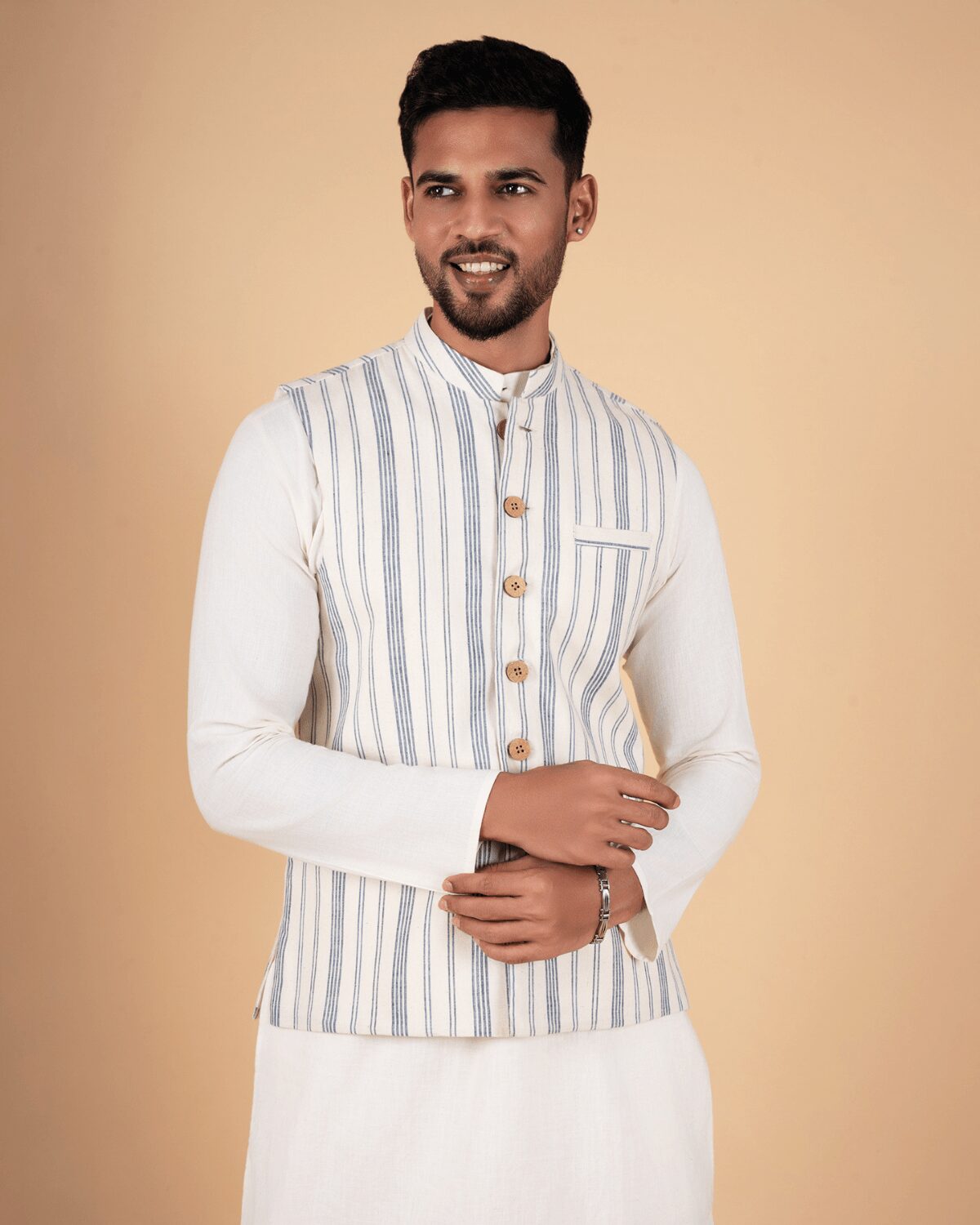
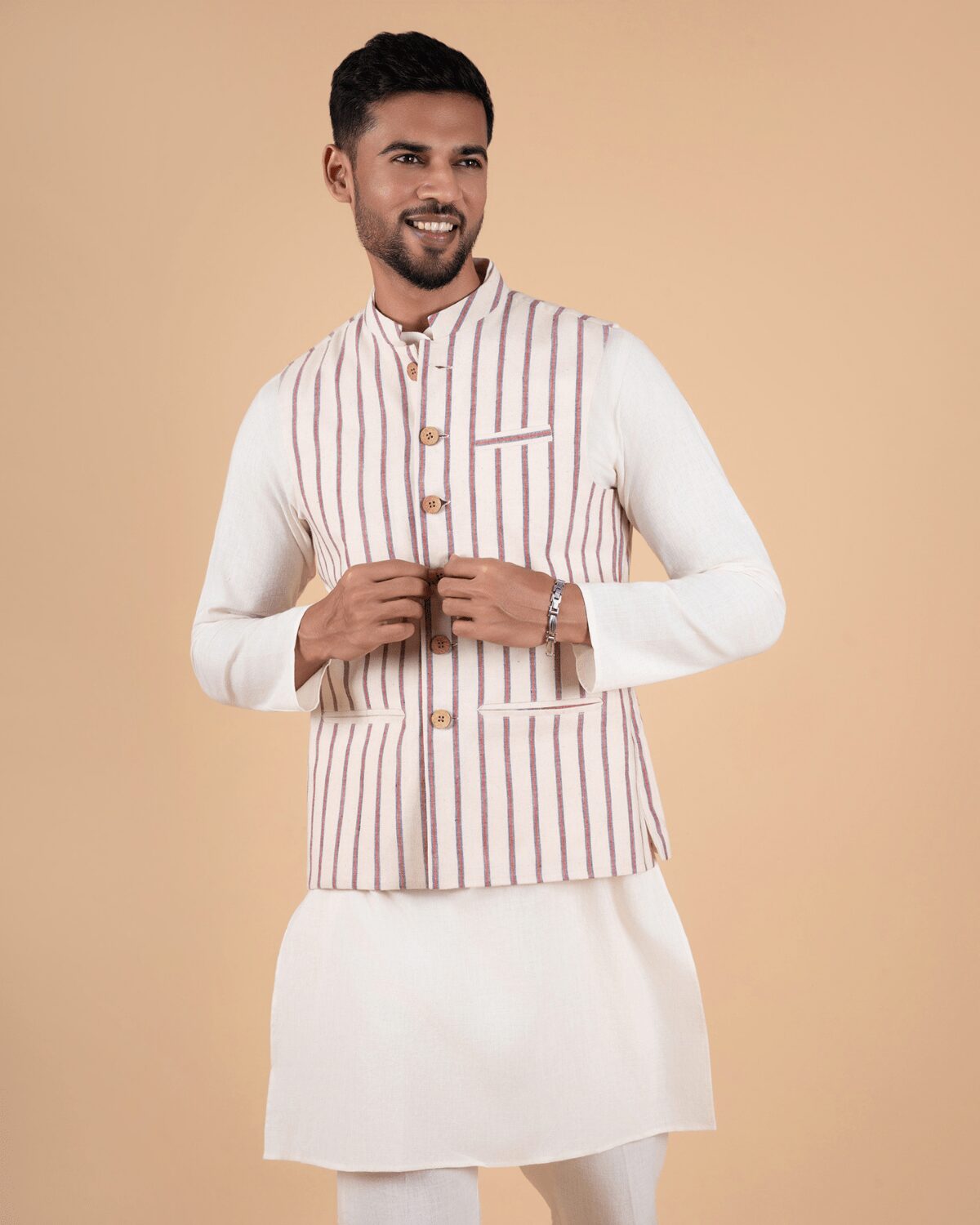
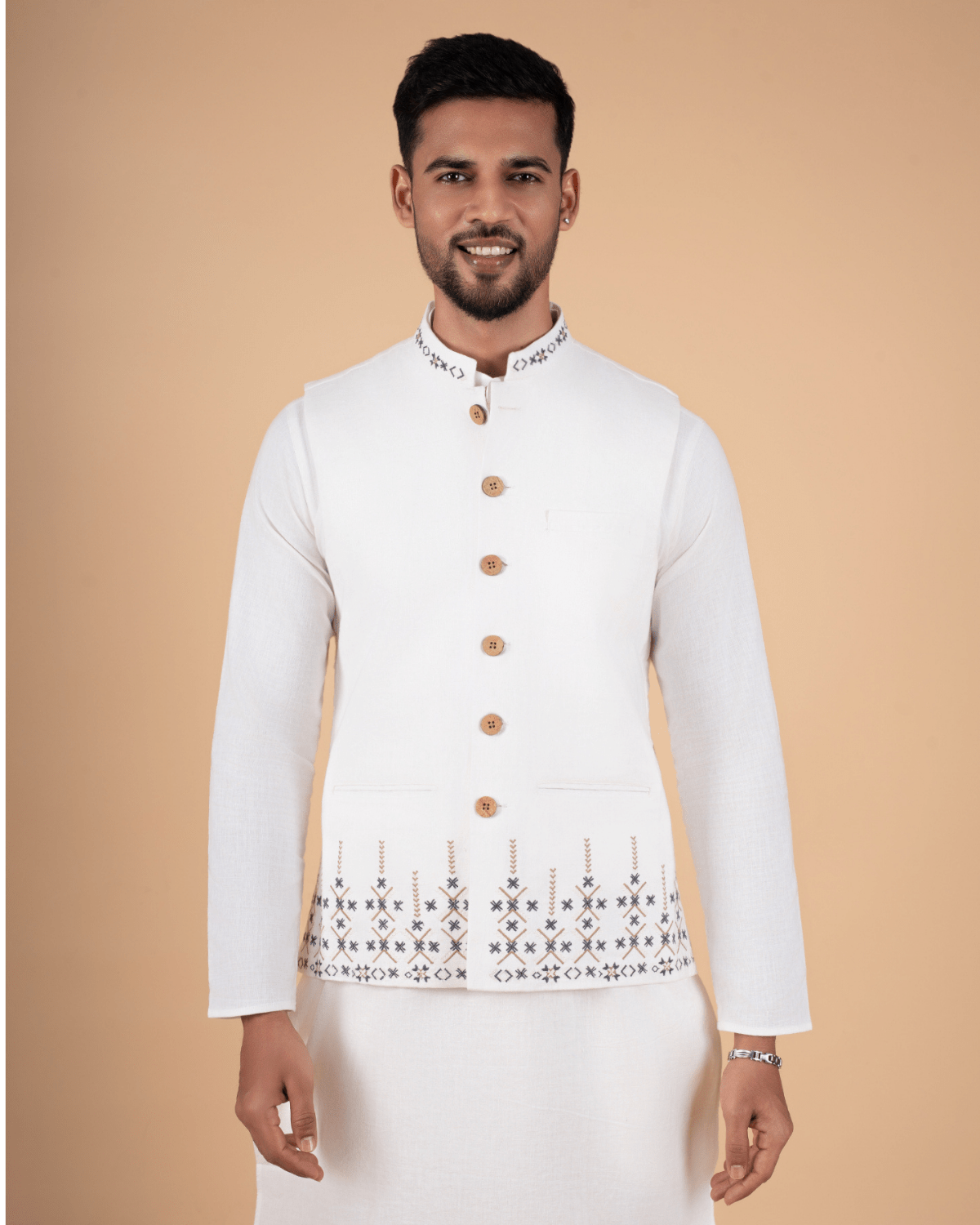
The koti is India’s original winter layering piece. It keeps your core warm while leaving your arms free, and it turns a plain shirt or kurta into an outfit. On a mild evening a koti over a full-sleeve shirt is all you need; on a cold one, add a shawl on top. Striped kotis are easy to repeat across the week without looking repetitive.
Winter wedding season: kurta set plus koti
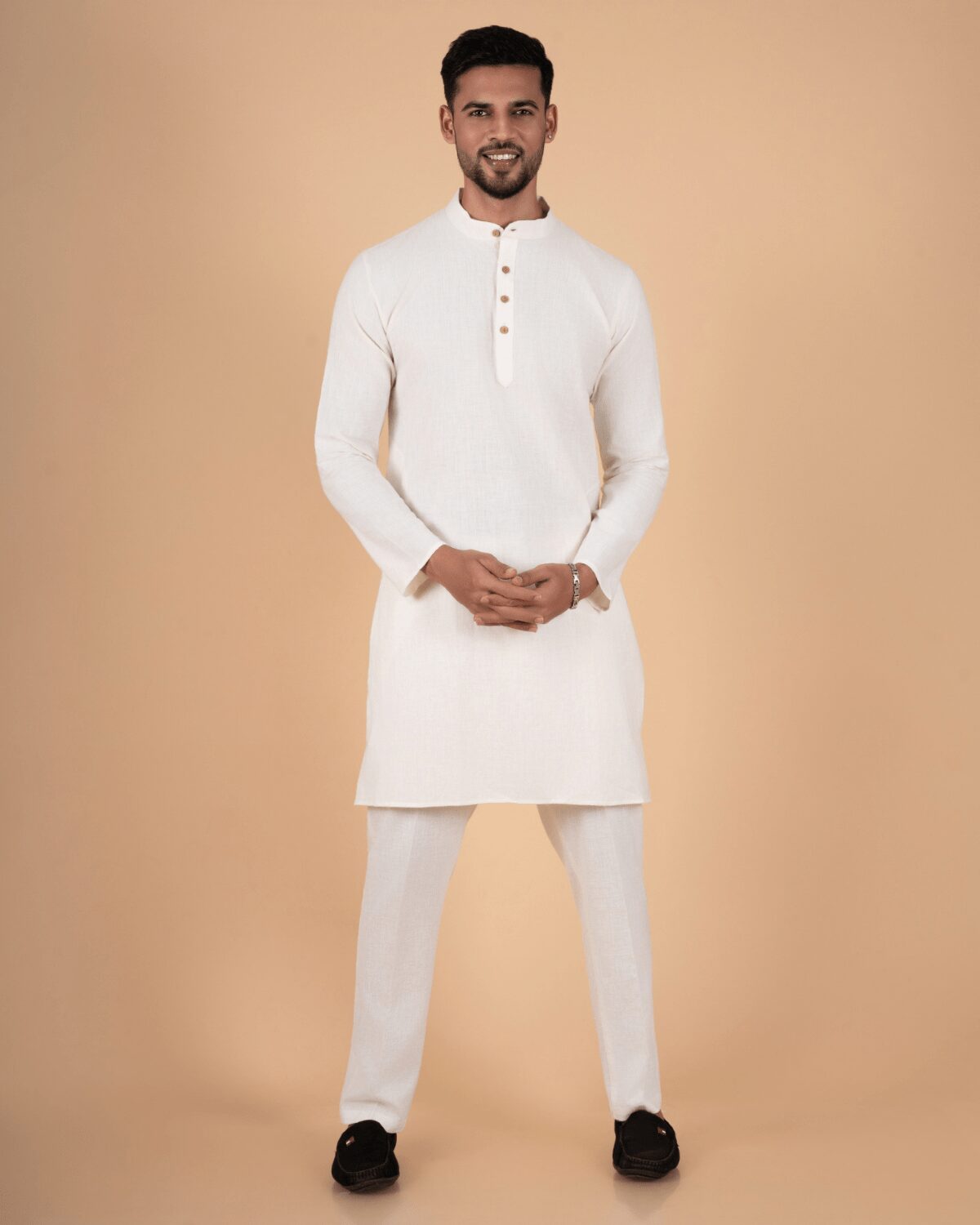
November to February is peak wedding season. A khadi kurta set with a koti on top is warm enough for an outdoor evening function and breathable enough that you do not overheat once the dancing starts indoors. Add a pashmina or khadi shawl for the late-night pheras.
Bottoms that work in the cold
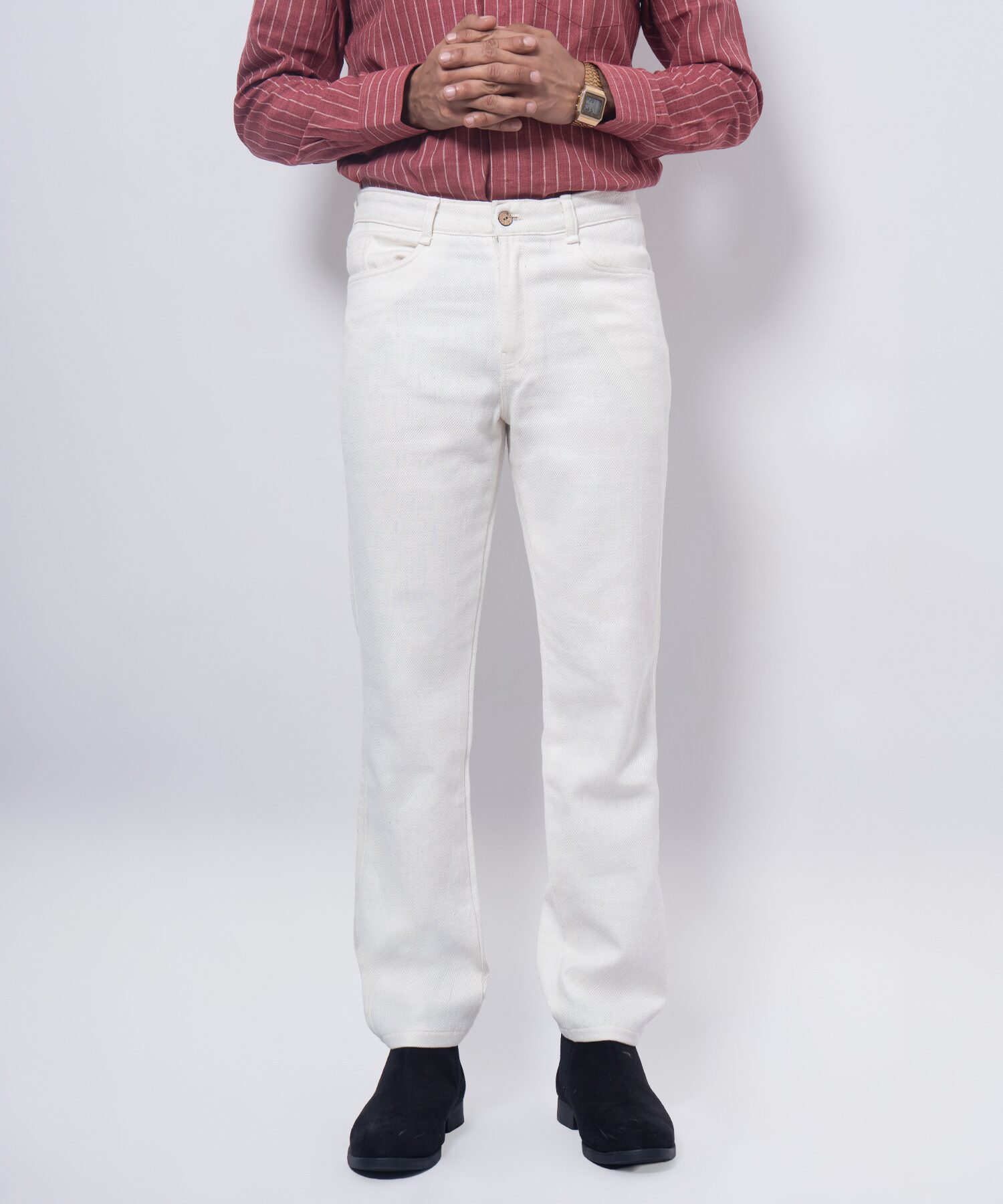
Khadi pants are comfortable through the cooler months, and thicker weaves like khadi denim give a little extra body against morning chill. If it is very cold, a thin thermal underneath still lets the khadi do its job of keeping skin dry and comfortable.
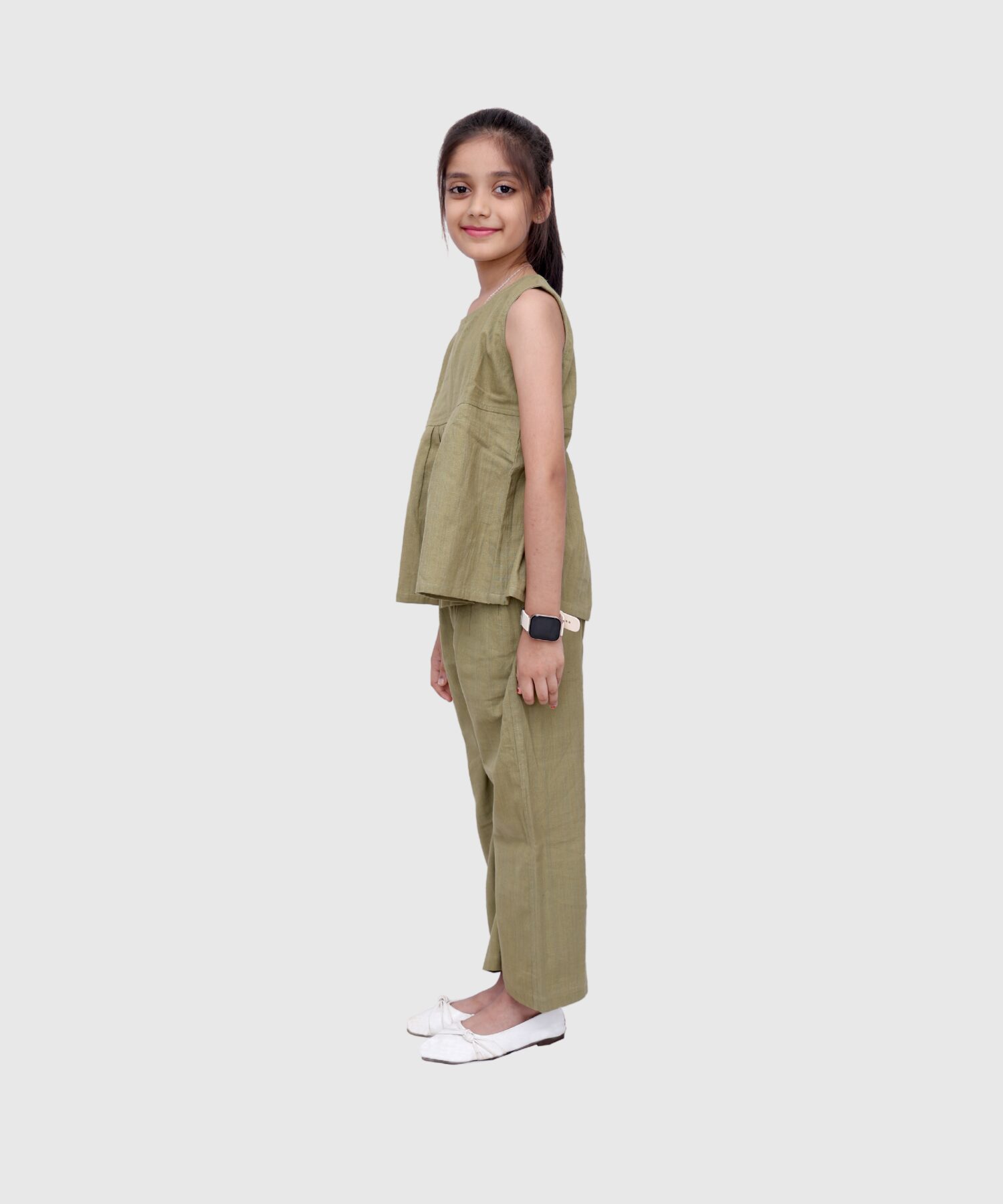
For her: wide pants with layers on top
Wide-leg khadi pants are easy to layer for winter. Pair them with a full-sleeve kurti and a long cardigan or shawl, and add socks with juttis or closed shoes. The loose cut leaves room for a thin legging underneath on cold days without looking bulky.


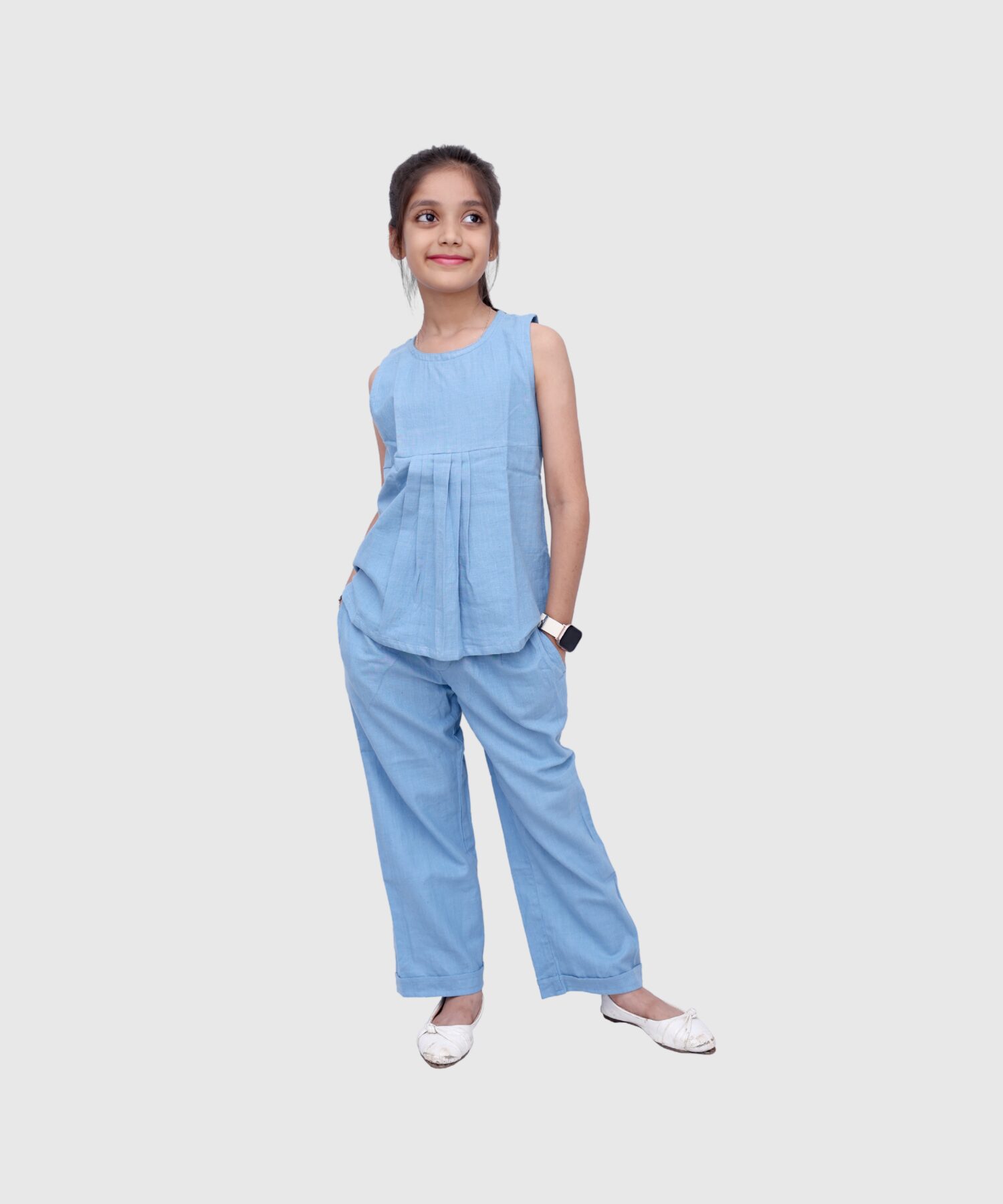
For kids: co-ord sets as the base layer
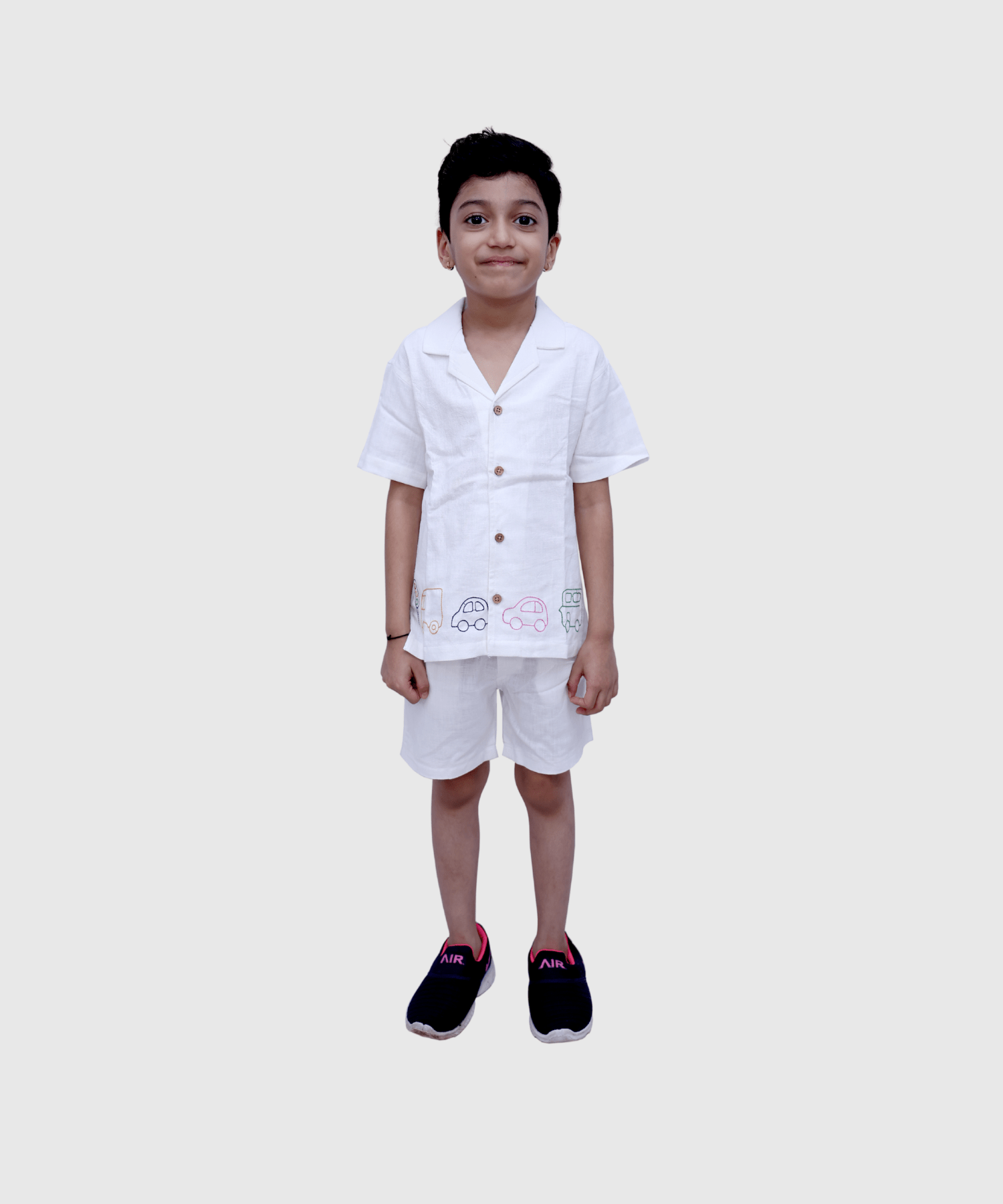
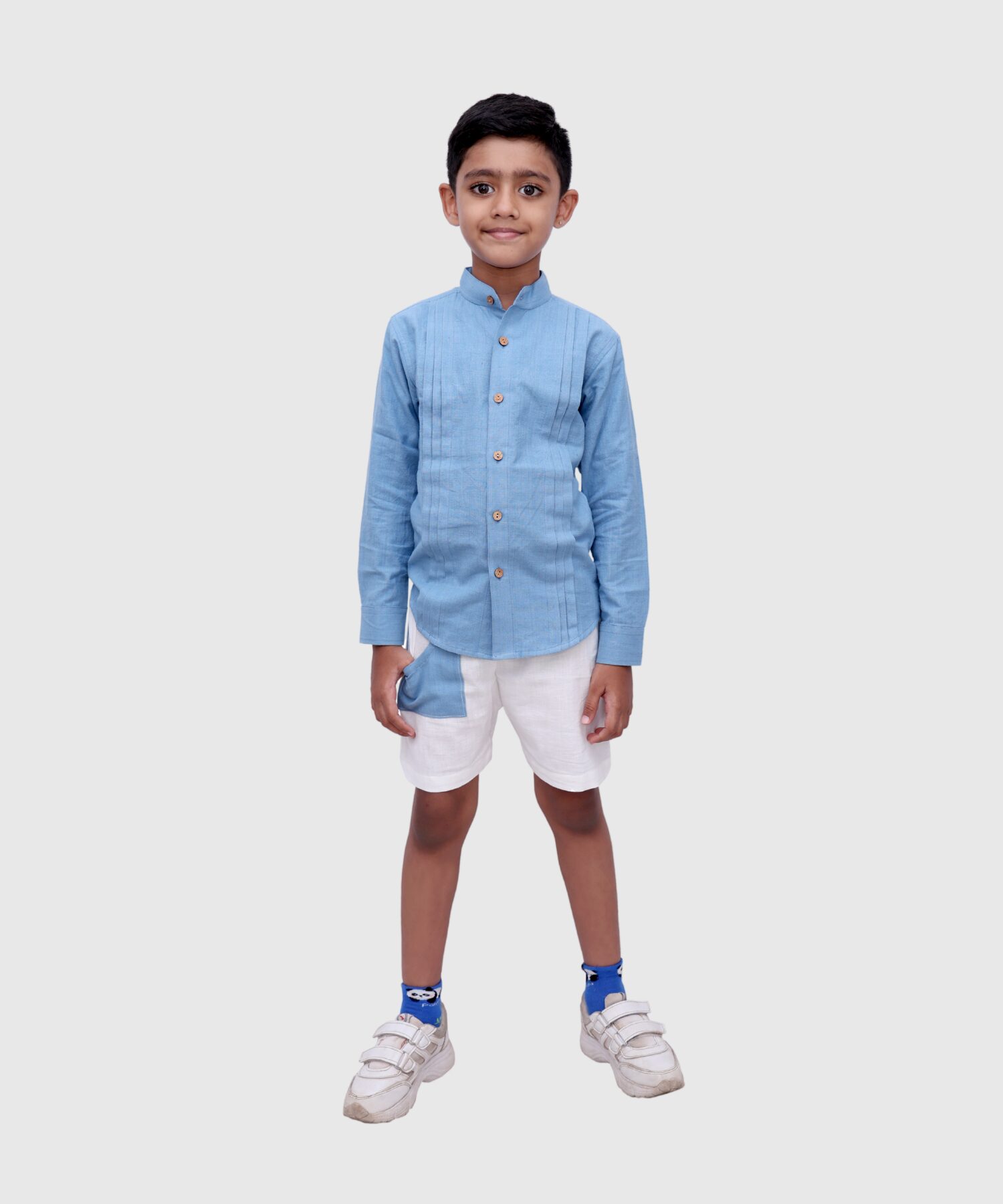
Children overheat fast when they run around and then get chilled when they stop, so heavy synthetic sweaters often leave them sweaty and itchy. Dress them in a soft khadi co-ord set as the base and add a sweater or jacket on top that is easy to remove. Their skin stays dry and rash-free, and you can take layers off at the park without them ending up in a damp synthetic.
For newborns: cover the extremities
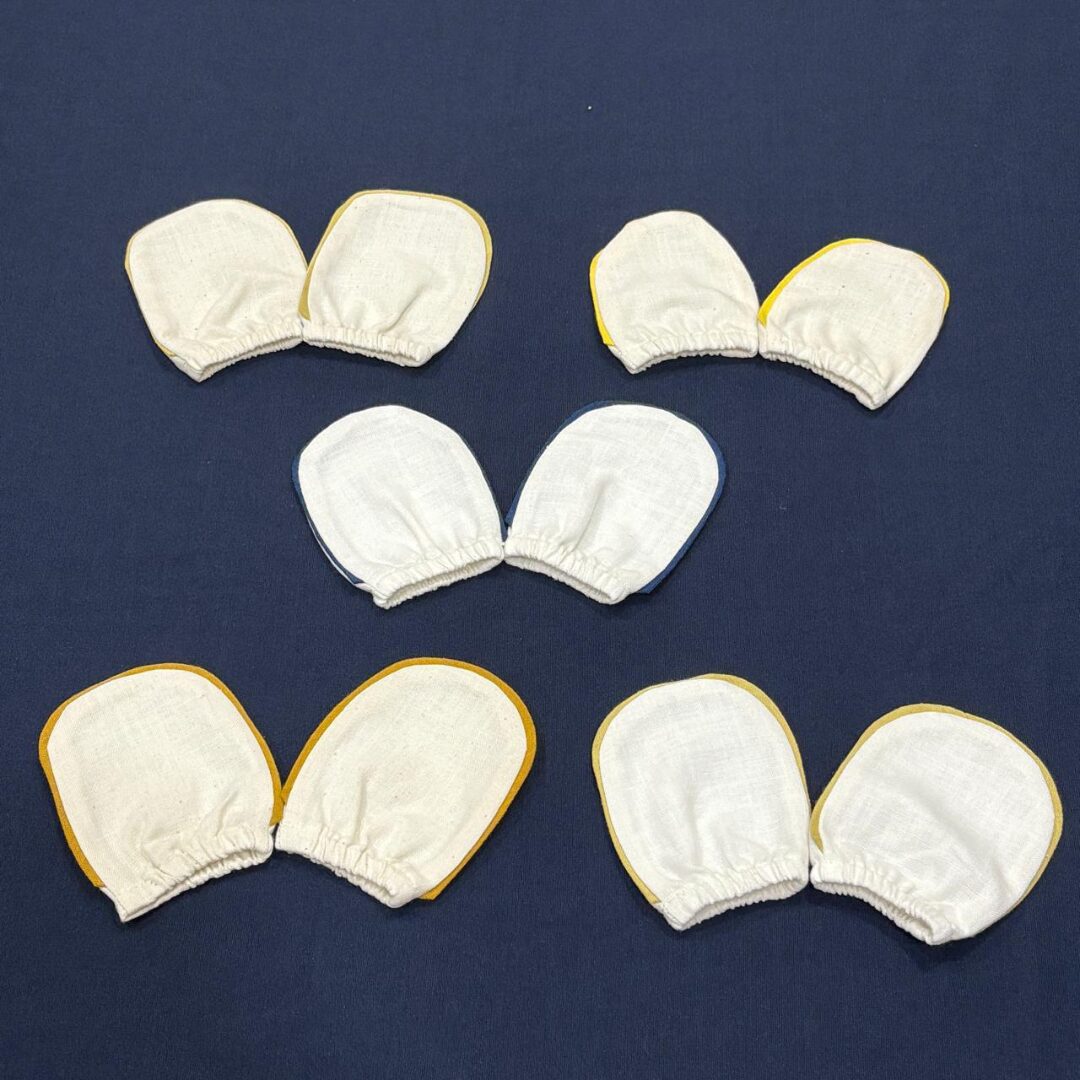
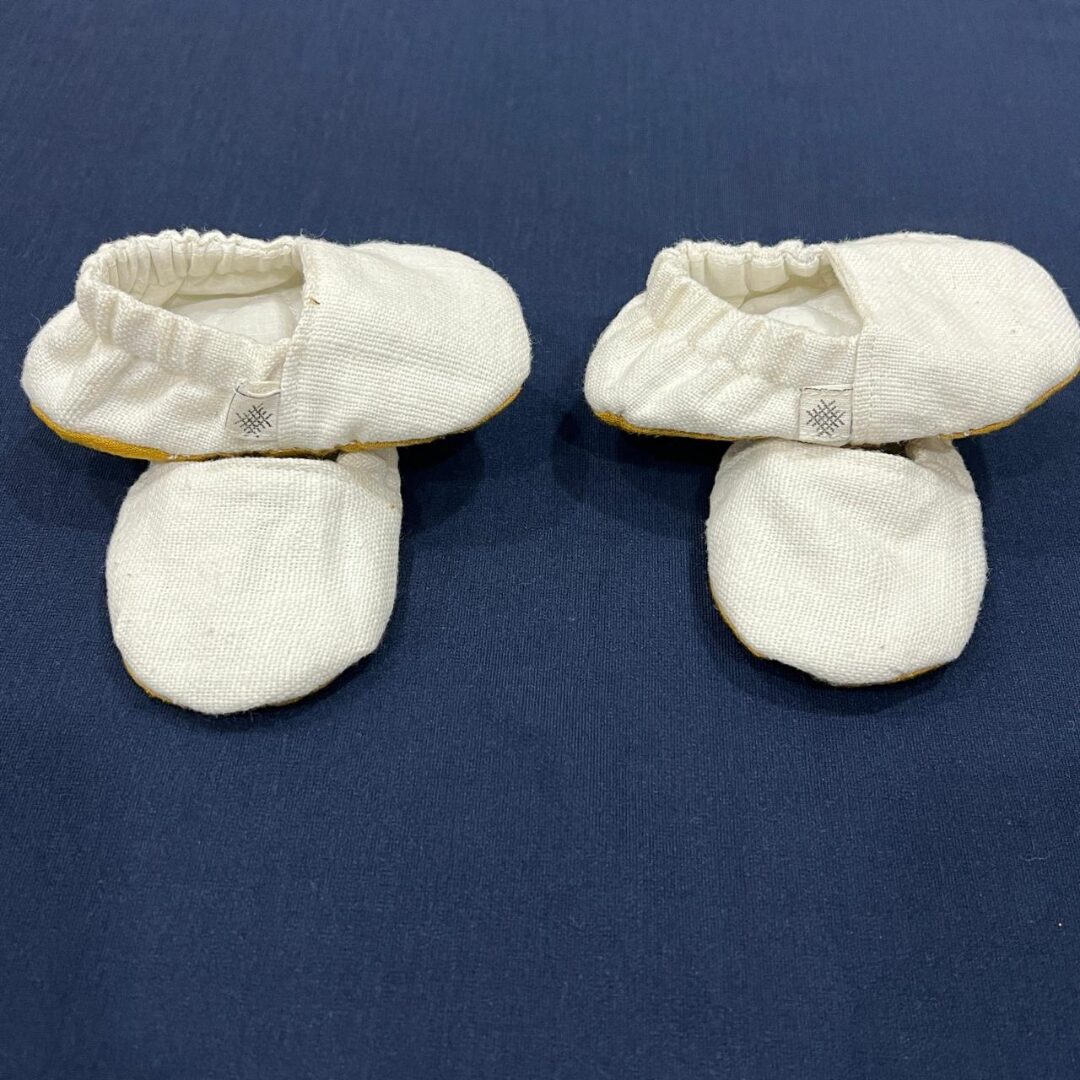
Babies lose heat fastest from their hands, feet and head. Breathable khadi mittens, booties and caps keep them covered without the scratchiness or chemical finishes of many synthetic baby woollens. Mittens also stop little fingernails from scratching delicate faces. Layer a soft swaddle or blanket on top for colder nights, and always check the back of the neck: warm and dry is perfect, sweaty means one layer too many.
Winter care for khadi
- Wash in cold or lukewarm water. Hot water can shrink handspun yarn. Use a mild detergent.
- Dry in shade, not on a heater. Winter sun is gentle, but direct heat from heaters or radiators can weaken fibres and fade natural colours.
- Air between wears. Base layers worn under sweaters stay fresh longer if you hang them overnight instead of washing after every wear.
- Store dry. Before you put away a koti for the week, make sure it is fully dry to avoid musty smells in closed winter cupboards.
Khadi was never meant to be a once-a-year fabric. Worn as the layer closest to your skin, it keeps you dry, comfortable and gently warm through the whole cooler season, and it supports the artisans who spin and weave it by hand all year round.
Shop your winter khadi layers
Explore the collection: Shirts · Koti · Kurta Sets · Pants · Women’s Wear · Kids Wear · New Born Essentials. Every piece is 100% handmade, hypoallergenic and chemical-free.
Read next: The Khadi Koti: 6 Ways to Style It This Festive Season and How Khadi Is Made: From Charkha to Closet.