
Somewhere around week 34, every expecting parent has the same thought: we really should pack the hospital bag. Then come the endless checklists, most of them stuffed with things you will never open. This one is different. It is short, practical and built around one idea: the first fabric your baby ever touches, and the clothes you live in for those first tired days, should be soft, breathable and free of chemicals.
Below is a calm, no-panic hospital bag checklist in three parts: baby, mother and partner. Every clothing piece shown is from Feel Weaves: 100% handmade khadi, hypoallergenic and chemical-free.
When to pack (and how much)
- Pack by week 35-36. Babies do not read due dates. Keep the bag by the door from then on.
- Plan for 2-3 days. A normal delivery usually means 1-2 nights; a C-section often 3-4. Pack for three days and keep a small top-up bag at home.
- Wash everything first. Pre-wash all baby clothes in plain water or a very mild, fragrance-free detergent. Handmade khadi softens beautifully with the first wash, and it settles slightly, so read our size and fit guide before you buy.
- Use three pouches. One for baby, one for mother, one for documents and chargers. At 2 a.m. nobody wants to dig.
Why fabric matters so much for a newborn
A newborn’s skin is thinner than an adult’s and loses moisture quickly. It reacts easily to synthetic fibres, leftover dyes, formaldehyde-based finishes and strong fragrances, which is why so many babies develop rashes in the first weeks. Hand-spun khadi has an open, airy weave that lets heat escape and absorbs sweat instead of trapping it against the skin. Ours is made without harsh chemical finishes, so there is nothing extra sitting on your baby. If you want the longer explanation, read why kids deserve chemical-free clothing.
Baby’s pouch: the essentials
Hospitals provide the basics, but most parents prefer their baby in their own soft clothes from day one. For a three-day stay, this is all you really need:
- 3-4 jhablas (front-tie tops) – no pulling over a wobbly head.
- 5-6 langots or cloth nappies for skin-to-skin time and nappy-free airing.
- 2 swaddles – one for sleep, one for the going-home photo.
- 2 caps, 2 pairs of mittens, 2 pairs of booties – hospital wards are air-conditioned, and newborns lose heat through the head, hands and feet.
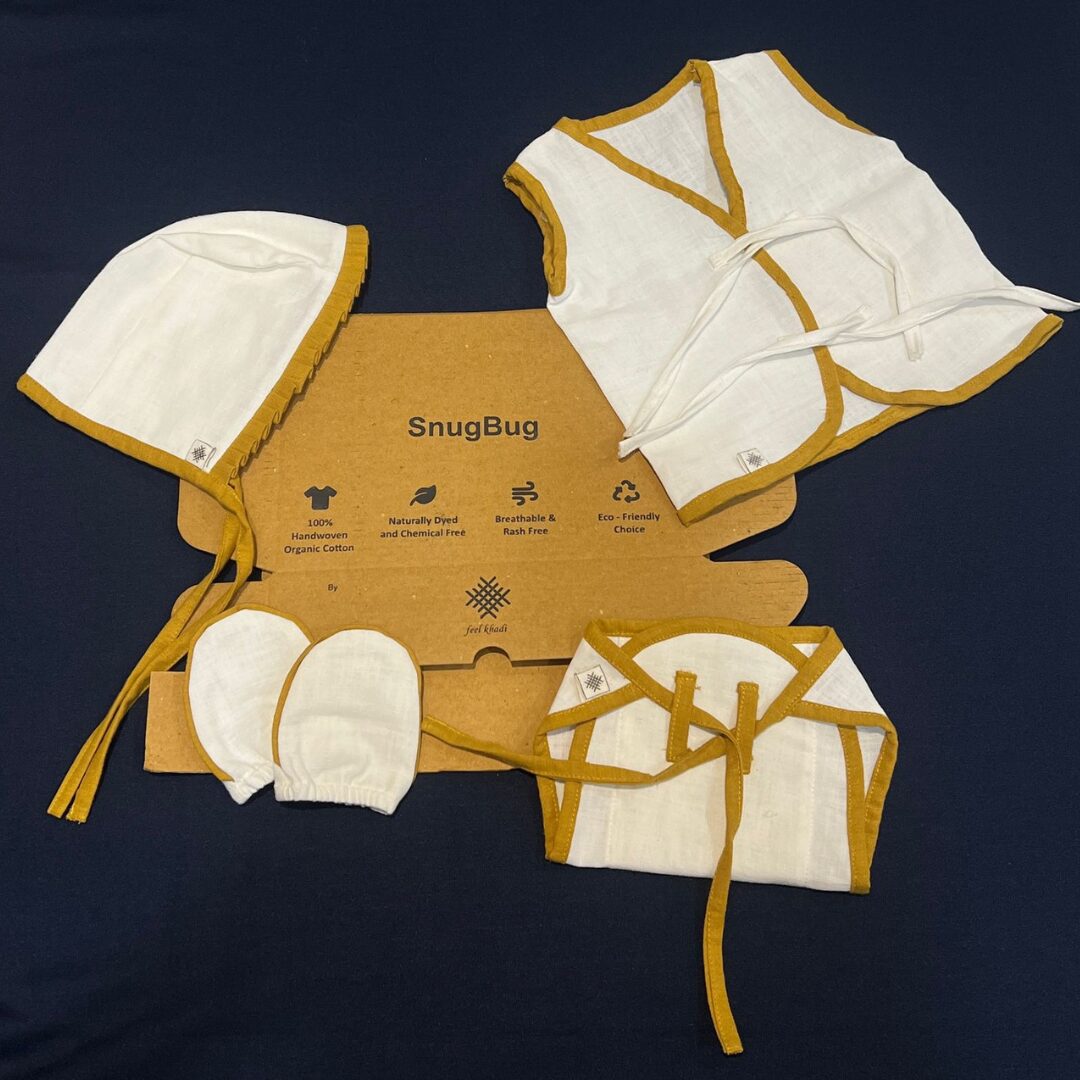
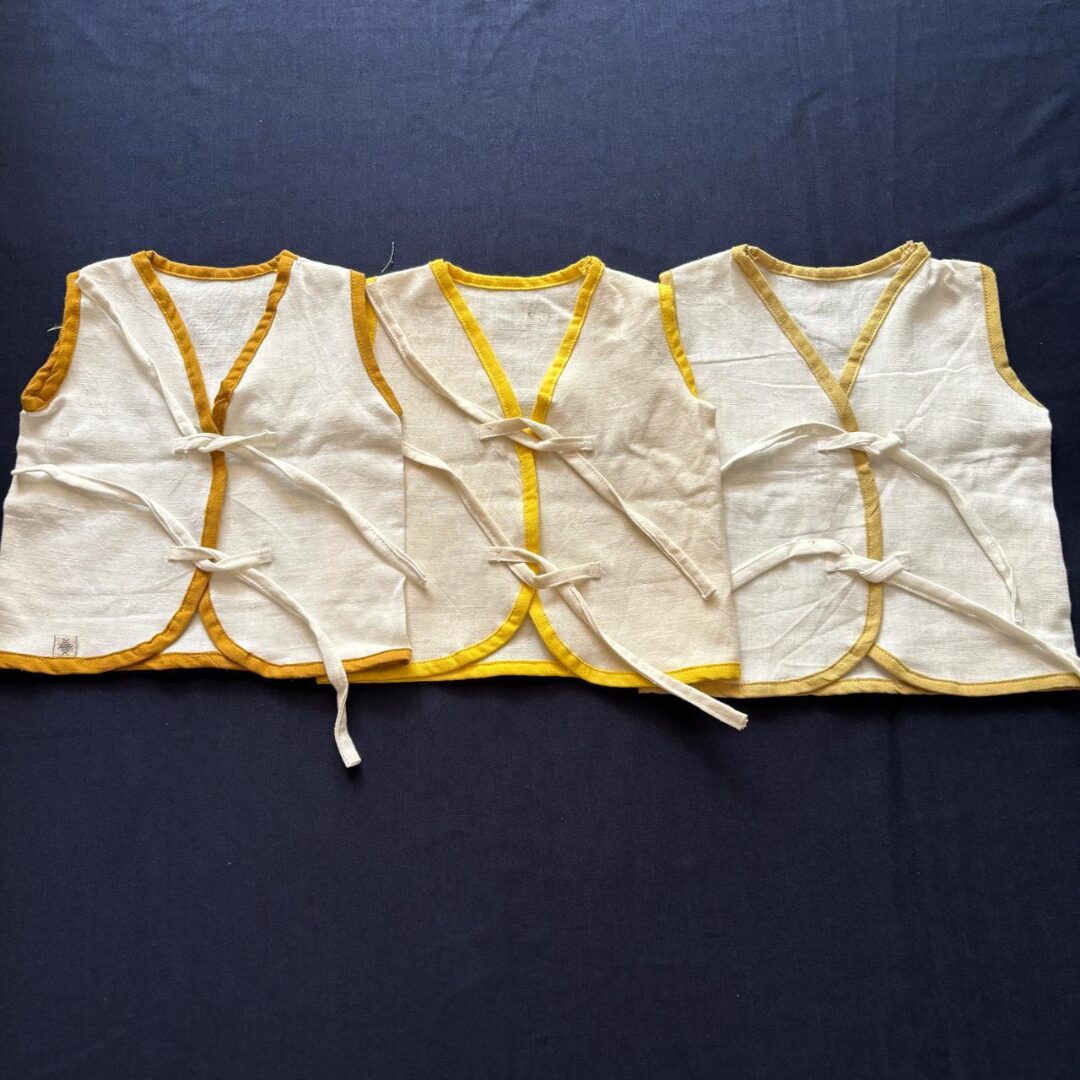
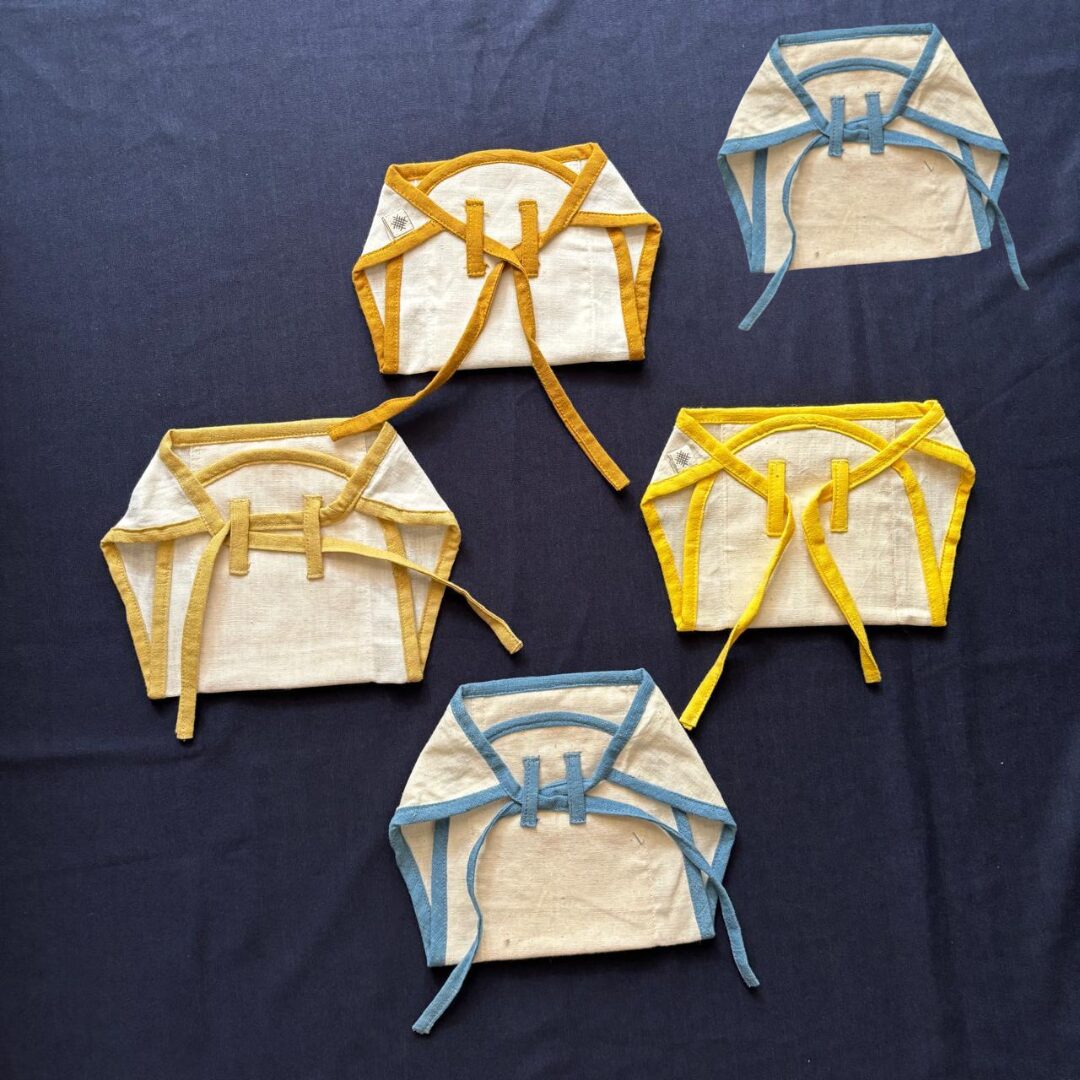
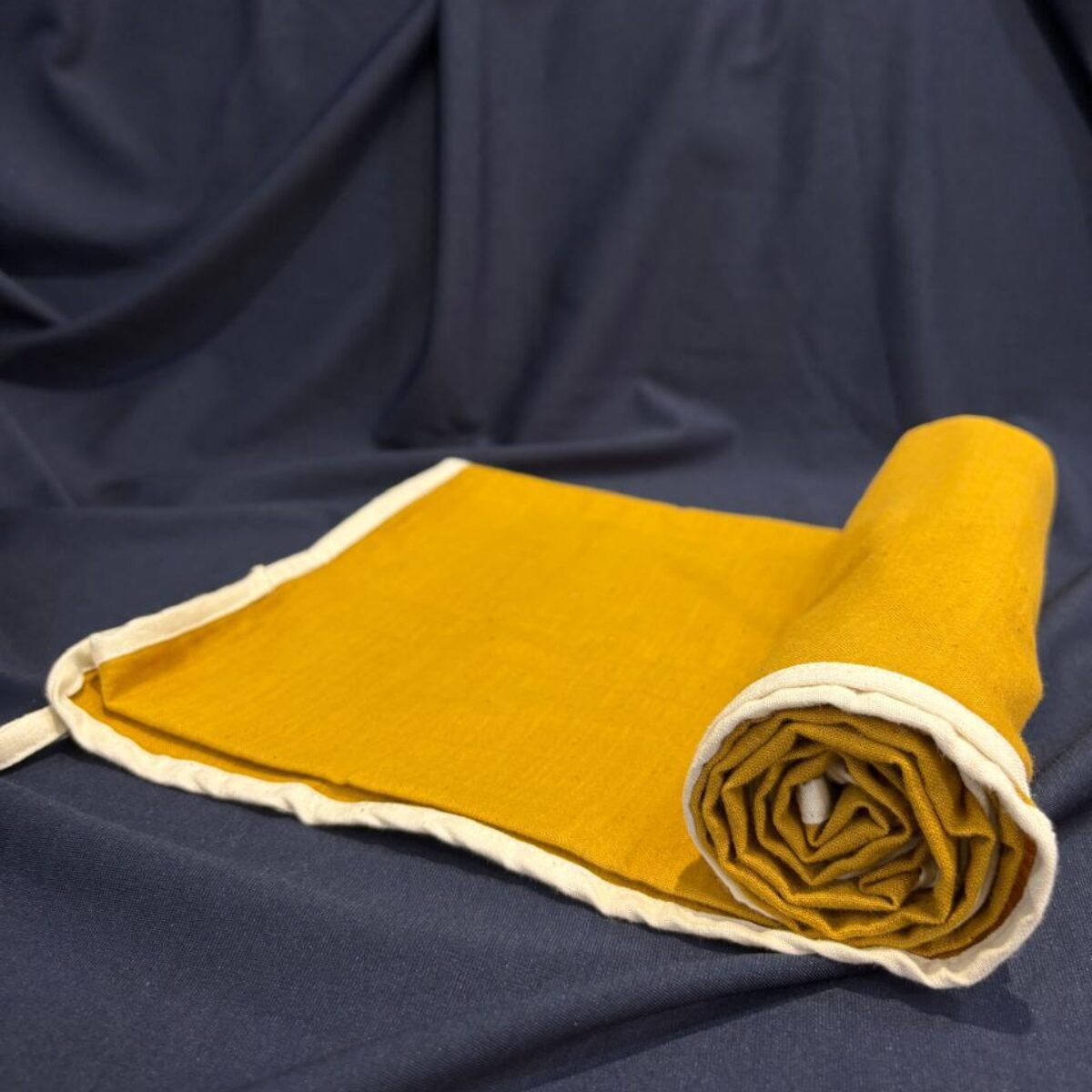
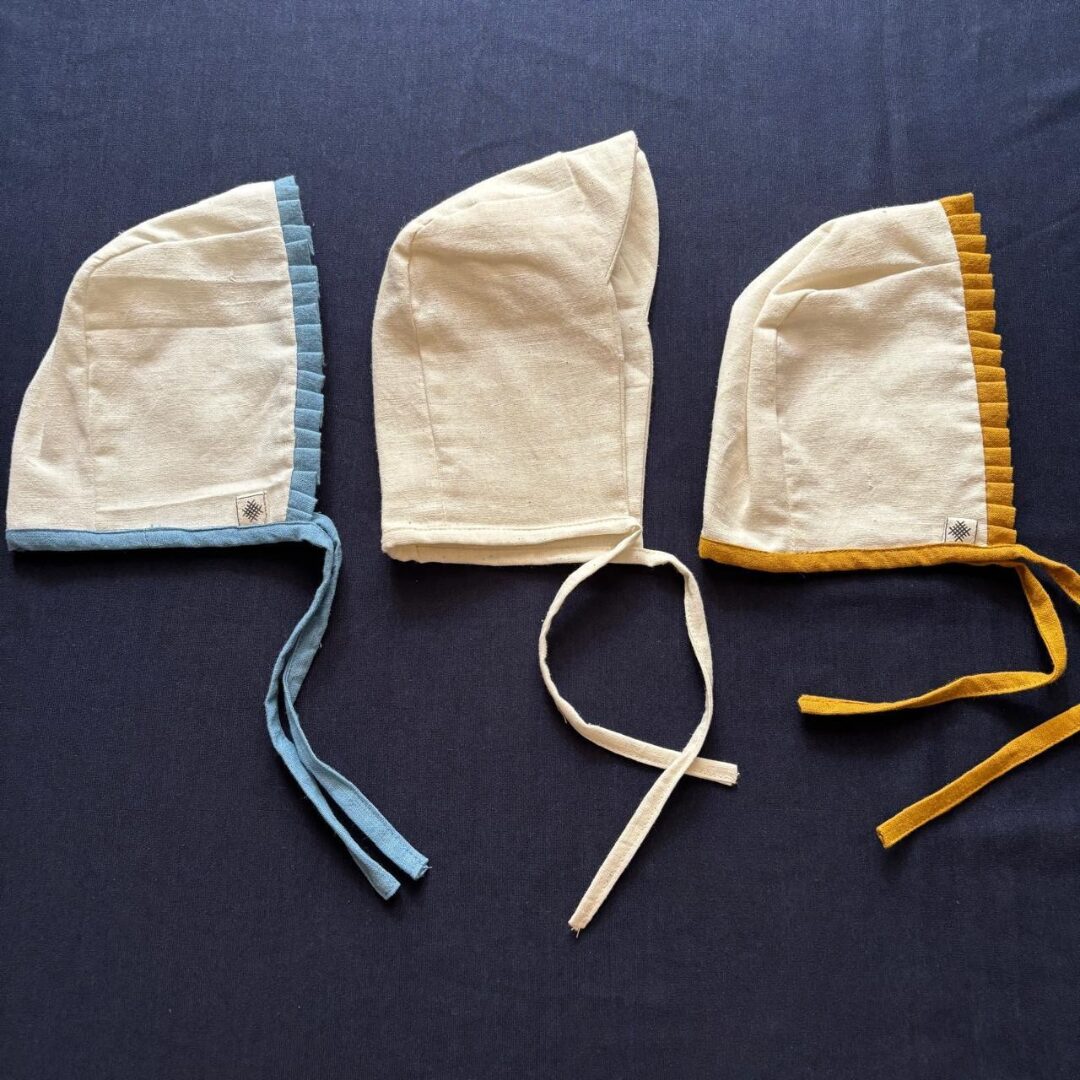
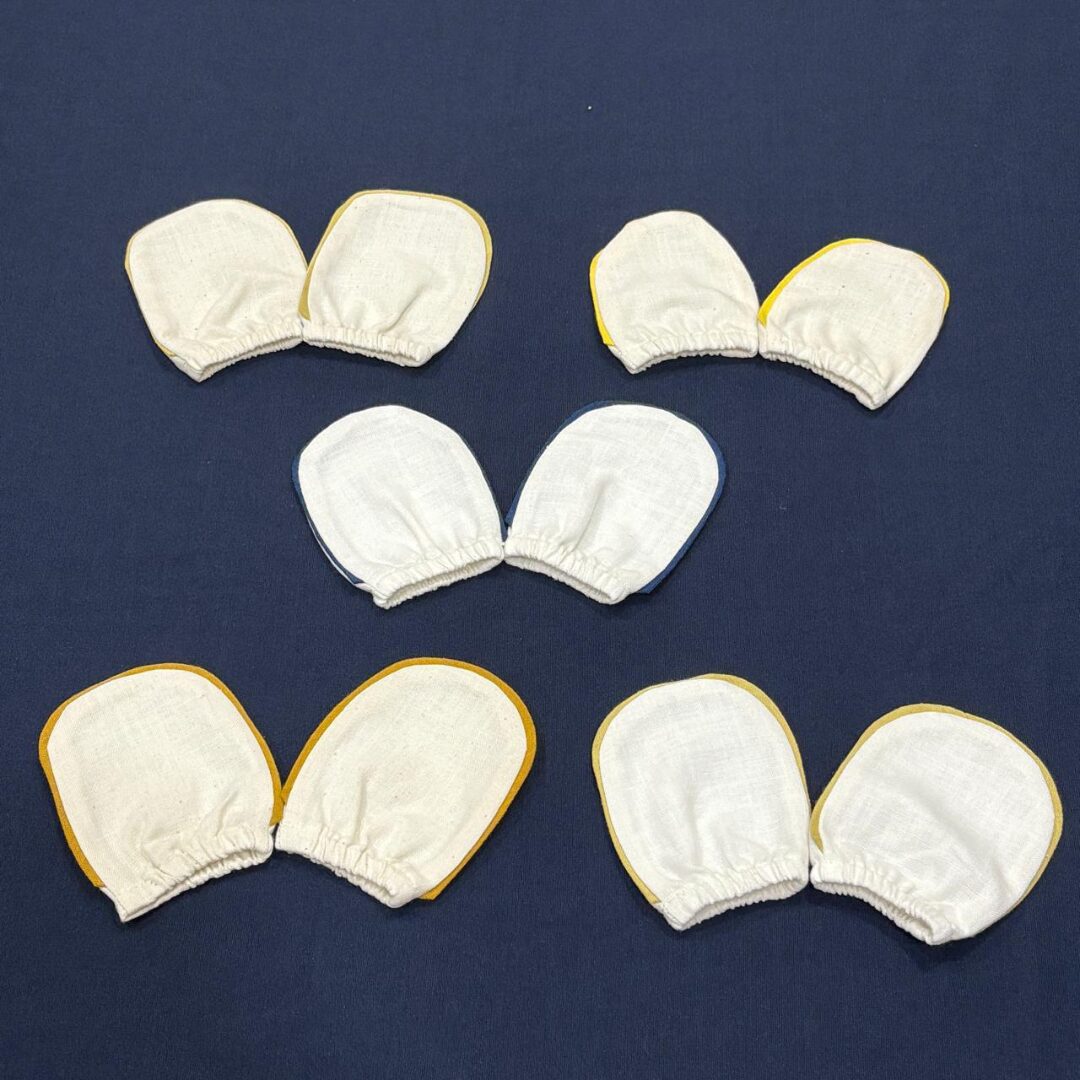
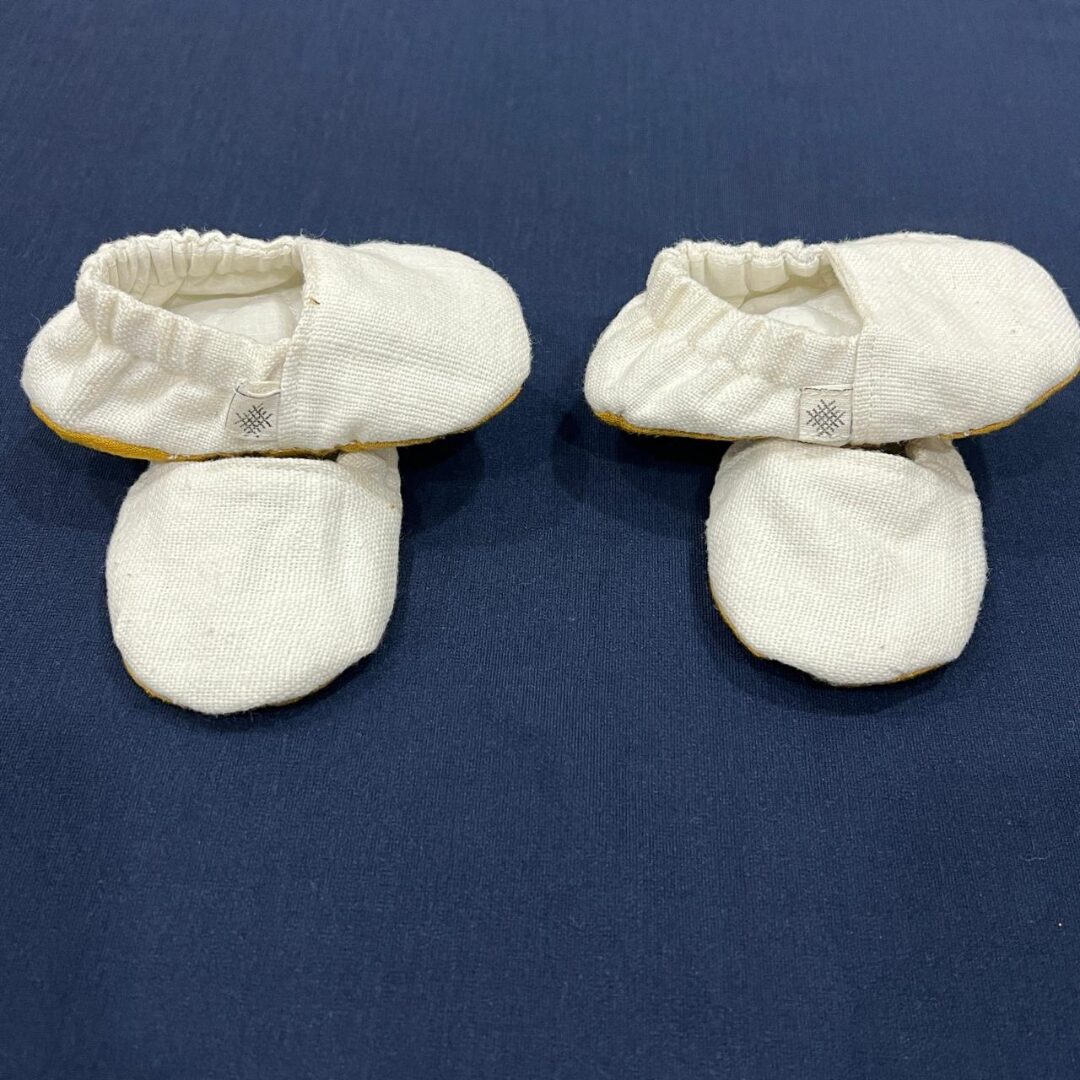
Also pack: a soft muslin or cotton towel, a few cloth wipes, and a car seat already fitted in the car. Skip the fancy outfits with buttons, zips and lace; you will not use them in week one.
Mother’s pouch: comfort above everything
After delivery you will be sore, sweaty and up every two hours. What you wear should be loose, breathable and easy to move in. Hospital gowns are fine for the first hours, but most mothers feel far more like themselves in their own clothes.
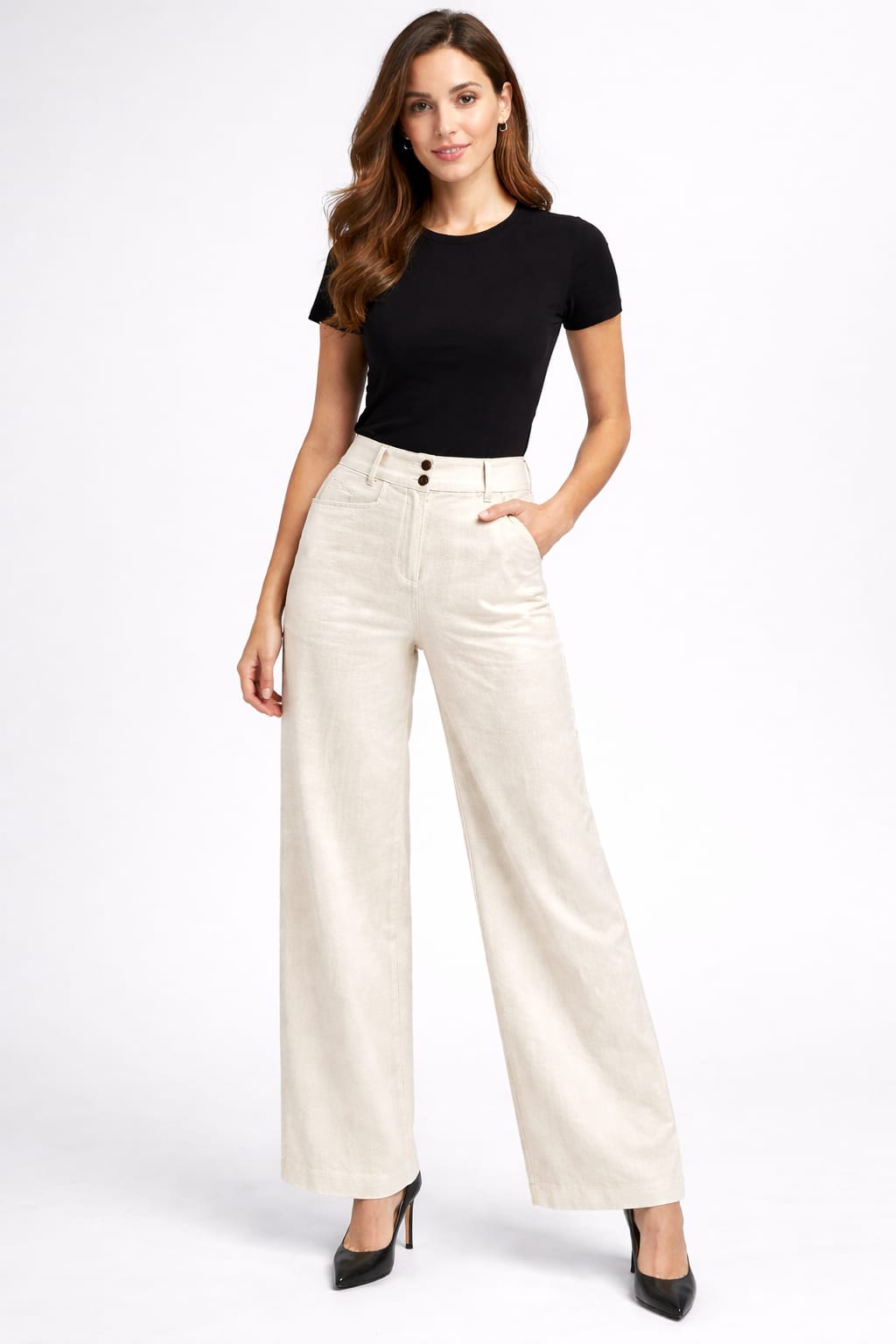
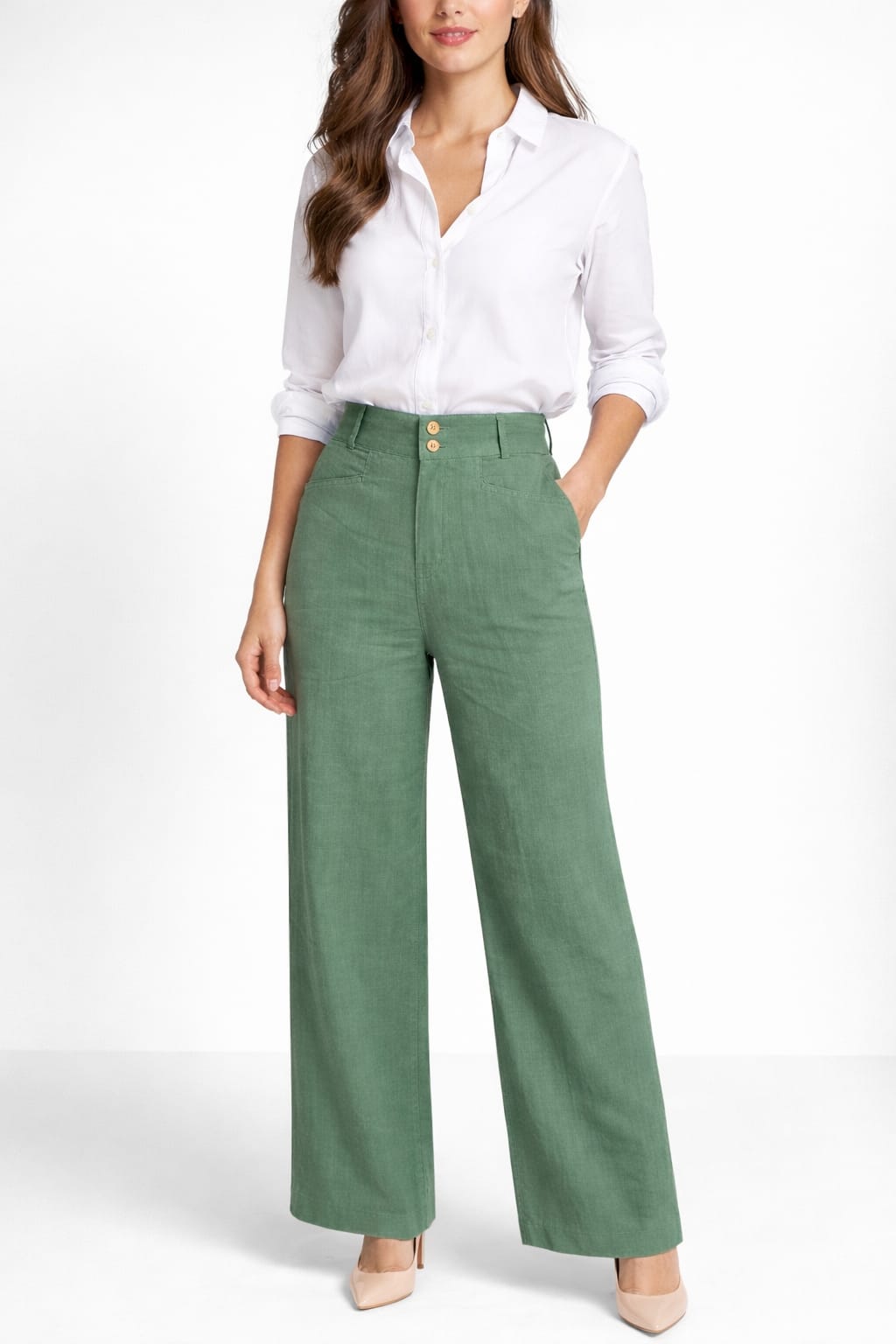
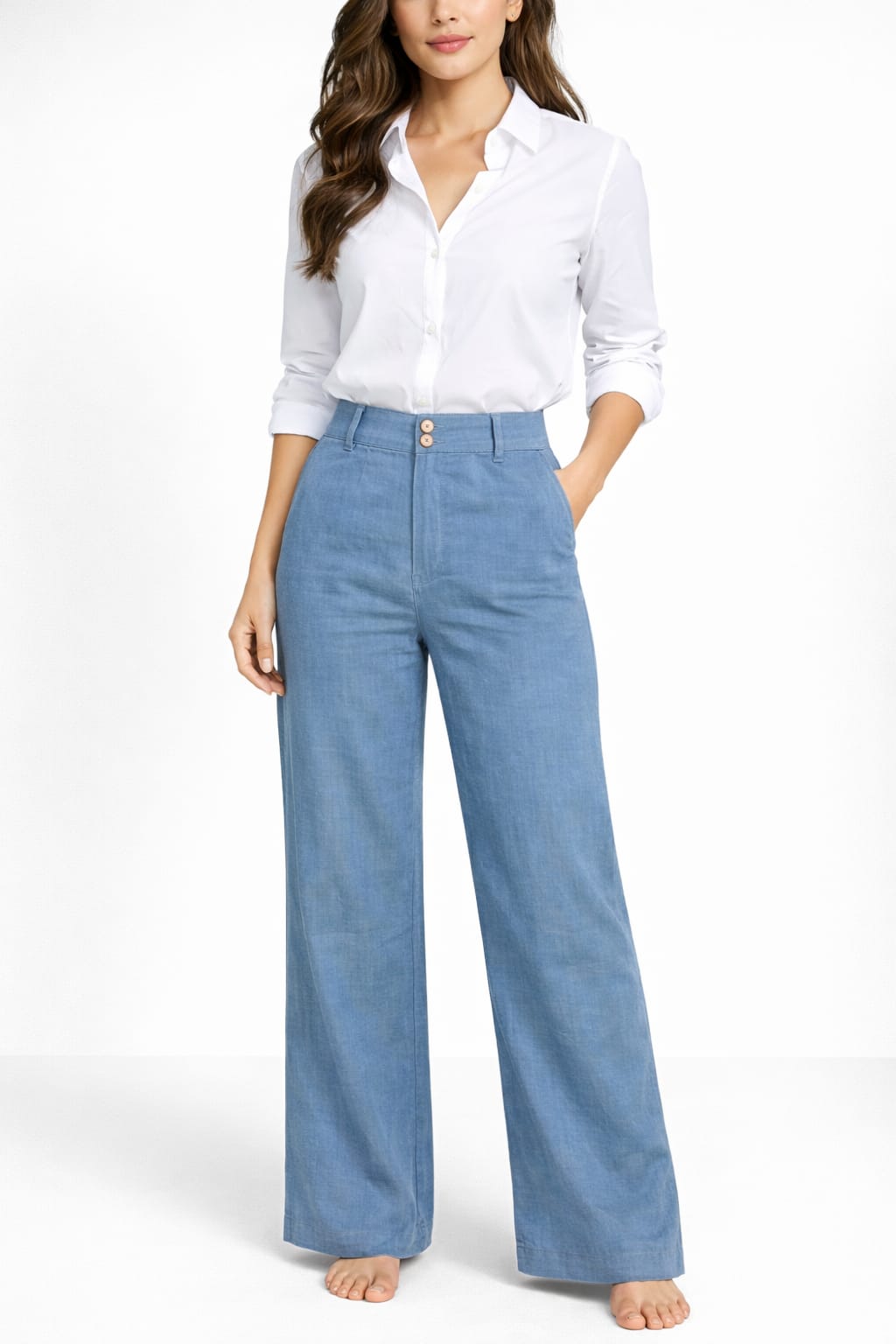
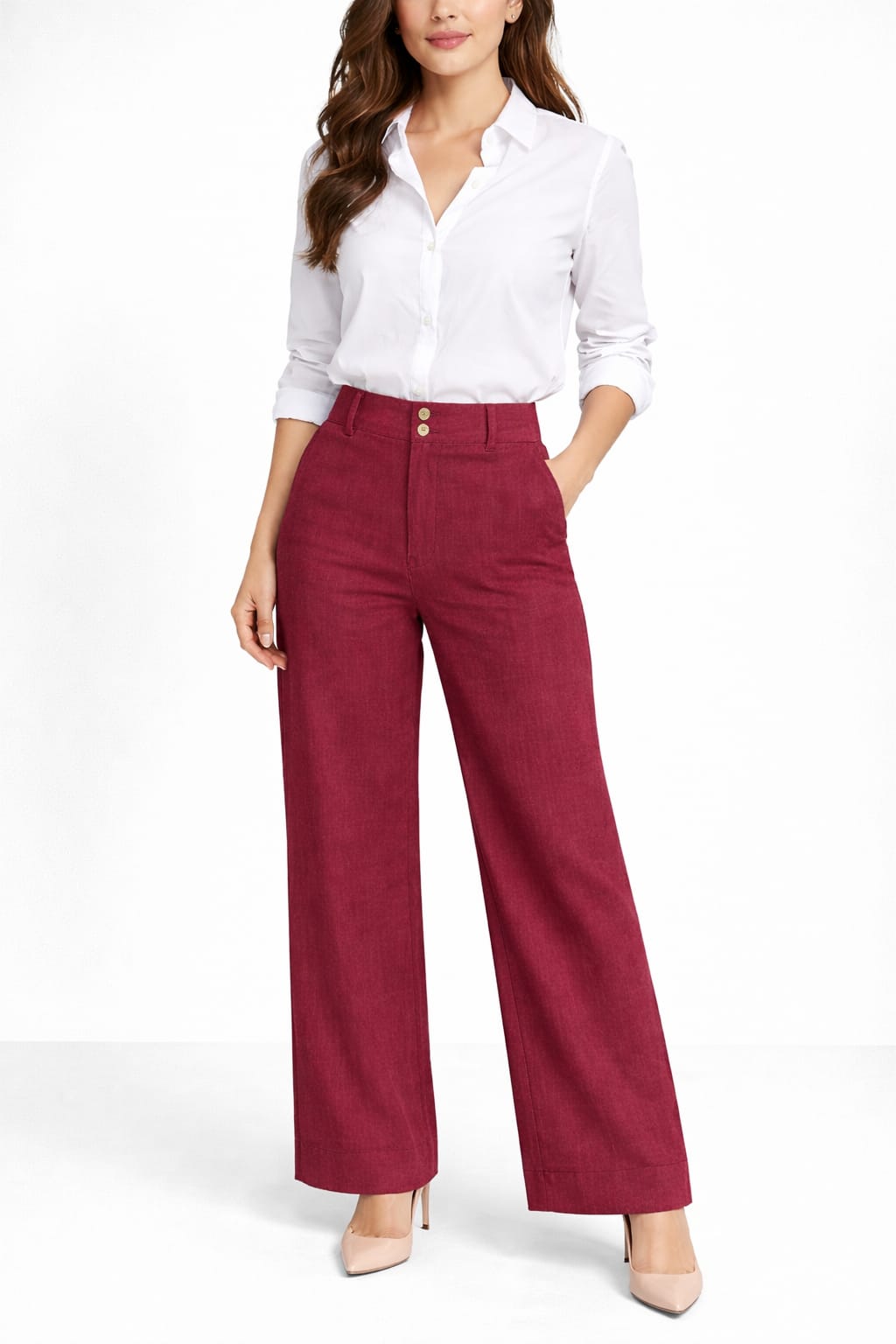
- 2 pairs of loose, high-rise wide pants – nothing should press on the belly, especially after a C-section.
- 2-3 front-opening tops or kurtis for easy feeding and skin-to-skin contact.
- Cotton underwear (go a size up), maternity pads, a feeding bra, a light shawl, slippers and basic toiletries.
- A going-home outfit that is soft, loose and photo-friendly.
Khadi helps here too. Postpartum night sweats are common in the first weeks, and handspun cotton breathes and absorbs where synthetic loungewear clings.

Partner’s pouch: you are staying too
Partners often forget themselves completely, then spend two nights in a stiff shirt on a hospital sofa. Pack one change of clothes per day in something breathable that still looks presentable when the whole family arrives with sweets.
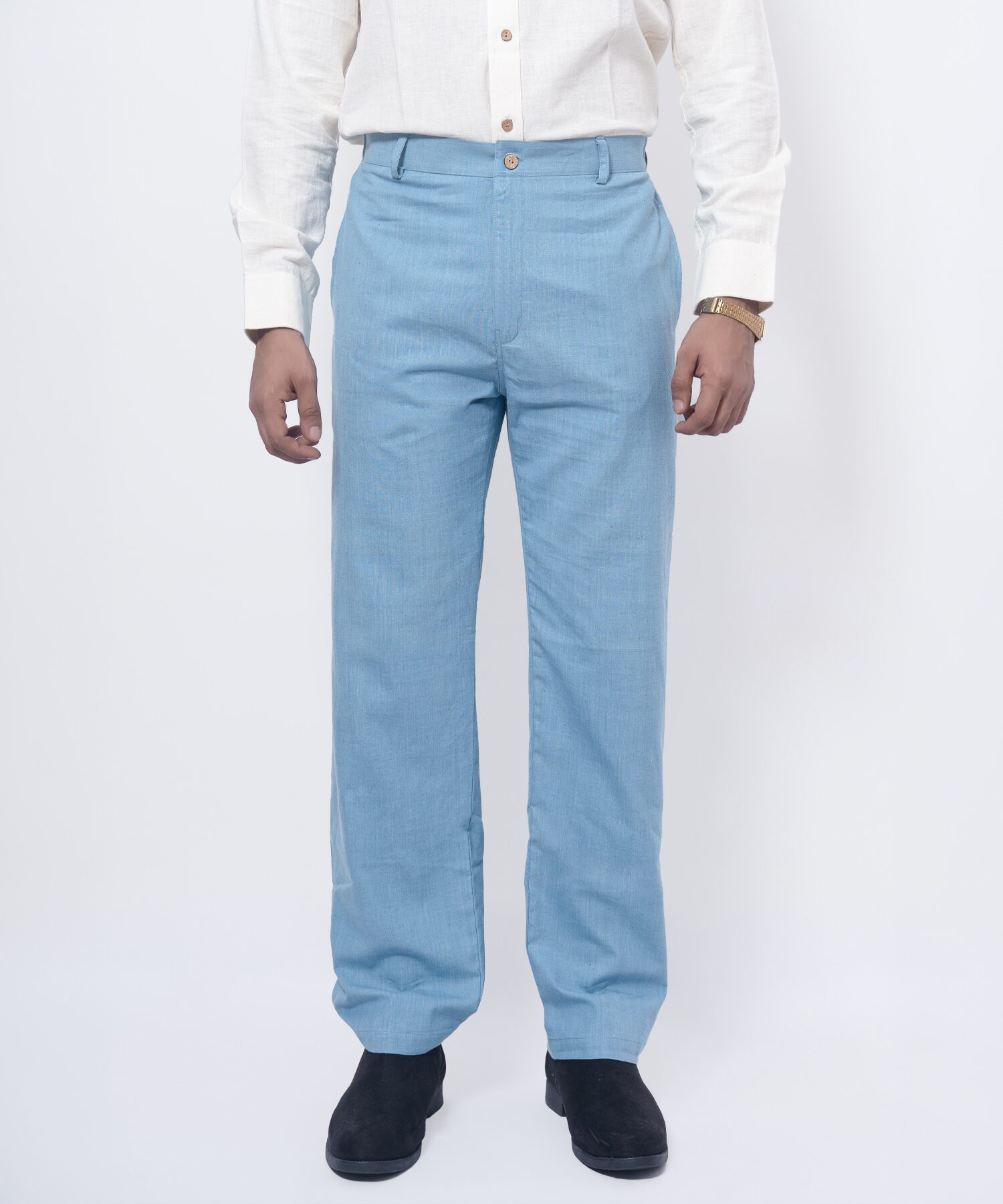
- 2 breathable shirts, one comfortable pant, a light layer for the cold ward.
- Snacks, water bottle, phone charger with a long cable, and a small notebook for feed and nappy timings.


The documents and small things checklist
- ID proofs, hospital file, scan reports, insurance card and any pre-registration papers.
- Phone chargers, a power bank and a little cash for the canteen.
- Lip balm, hair ties, a water bottle with a straw (much easier to drink from lying down).
- A small bag for dirty clothes, so the clean ones stay clean.
After you come home: caring for newborn khadi
- Wash baby clothes separately in cold or lukewarm water with a mild, fragrance-free detergent. Skip fabric softener; khadi softens on its own.
- Rinse twice so no detergent stays in the weave.
- Dry in shade or soft morning sun; a quick sun-dry also freshens cloth langots naturally.
- Keep 2-3 extra jhablas and langots in rotation; newborns go through 4-6 changes a day.
For more, see our complete khadi care guide.
The hospital bag is the first thing you pack for your baby. Keep it simple, keep it soft, and let the very first fabric they know be pure, handmade and chemical-free.
Shop the hospital bag
Find every newborn piece in New Born Essentials, comfortable pants for mothers in Women’s Wear, gentle movement wear in Yoga Wear, and breathable Shirts and Pants for partners. Planning ahead for the toddler years? Browse Kids Wear. Every piece is 100% handmade, hypoallergenic and chemical-free.
Read next: The Feel Weaves Guide to Baby Clothing Essentials and Khadi in Winter: A Layering Guide.