
Most clothes in your wardrobe were made by machines you will never see, in a process measured in seconds per metre. A khadi shirt is different. Before it reaches you, its cotton has been cleaned, spun into yarn and woven into cloth by human hands, one thread at a time. That slow process is exactly why khadi feels, breathes and ages the way it does.
This guide walks through how khadi is made, step by step, and shows what each step means for the fabric you actually wear: its texture, its comfort, why it is naturally chemical-free, and how to recognise genuine handmade cloth when you shop.
What makes fabric “khadi”?
Khadi is defined by two things: the yarn is hand-spun and the cloth is hand-woven. Plenty of fabrics are hand-woven on a handloom from mill-spun yarn; that is handloom, not khadi. It is the combination of hand-spinning and hand-weaving that gives khadi its signature slub, softness and breathability. It is also why khadi was the centre of the Swadeshi movement: anyone with a charkha could make cloth, no factory required.
Step 1: Cotton, cleaned and carded
It starts with raw cotton. The fibres are separated from seeds and debris, then carded: combed and fluffed so all the fibres lie roughly in one direction. Traditionally this is done with a bow-like tool whose string is plucked to beat the cotton into a light, airy mass, which is then rolled into soft slivers ready for spinning. Because the fibres are opened gently rather than blasted by machines, they keep more of their natural length and loft.
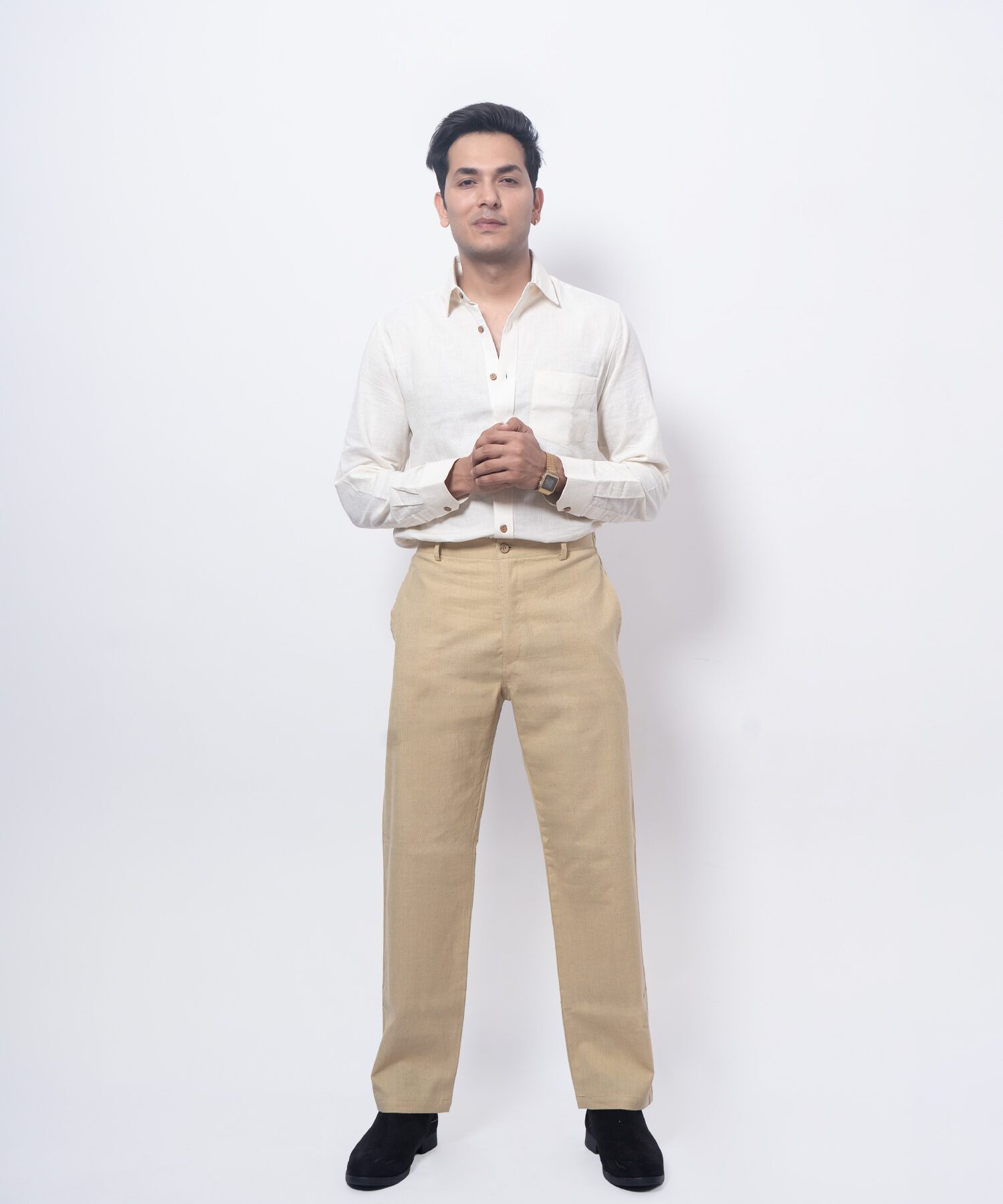
That loft is what you feel in an undyed, natural raw khadi piece: a soft, slightly textured hand that is cool against the skin.

Step 2: Spinning on the charkha
The spinner draws fibres from the sliver and twists them into yarn on a charkha, the spinning wheel. Hand-spun yarn is never perfectly even. It has thicker and thinner spots called slubs, and it carries less twist than mill yarn. Those two quirks matter:
- Slubs create tiny air pockets in the finished cloth, which is why khadi breathes so well in heat and holds a little warmth in cool weather.
- Lower twist means softer yarn. Khadi gets softer with every wash instead of pilling or going stiff.
- Every metre is unique. No two handspun yarns are identical, so no two garments are either.


Step 3: Weaving on the handloom
Next the yarn goes to the weaver. Long warp threads are stretched on the loom; the weaver throws the shuttle carrying the weft thread across, presses it into place with the beater, and shifts the warp with foot pedals. Repeat, thousands of times, and cloth appears a few centimetres at a time. A skilled weaver may produce only a handful of metres in a full day.
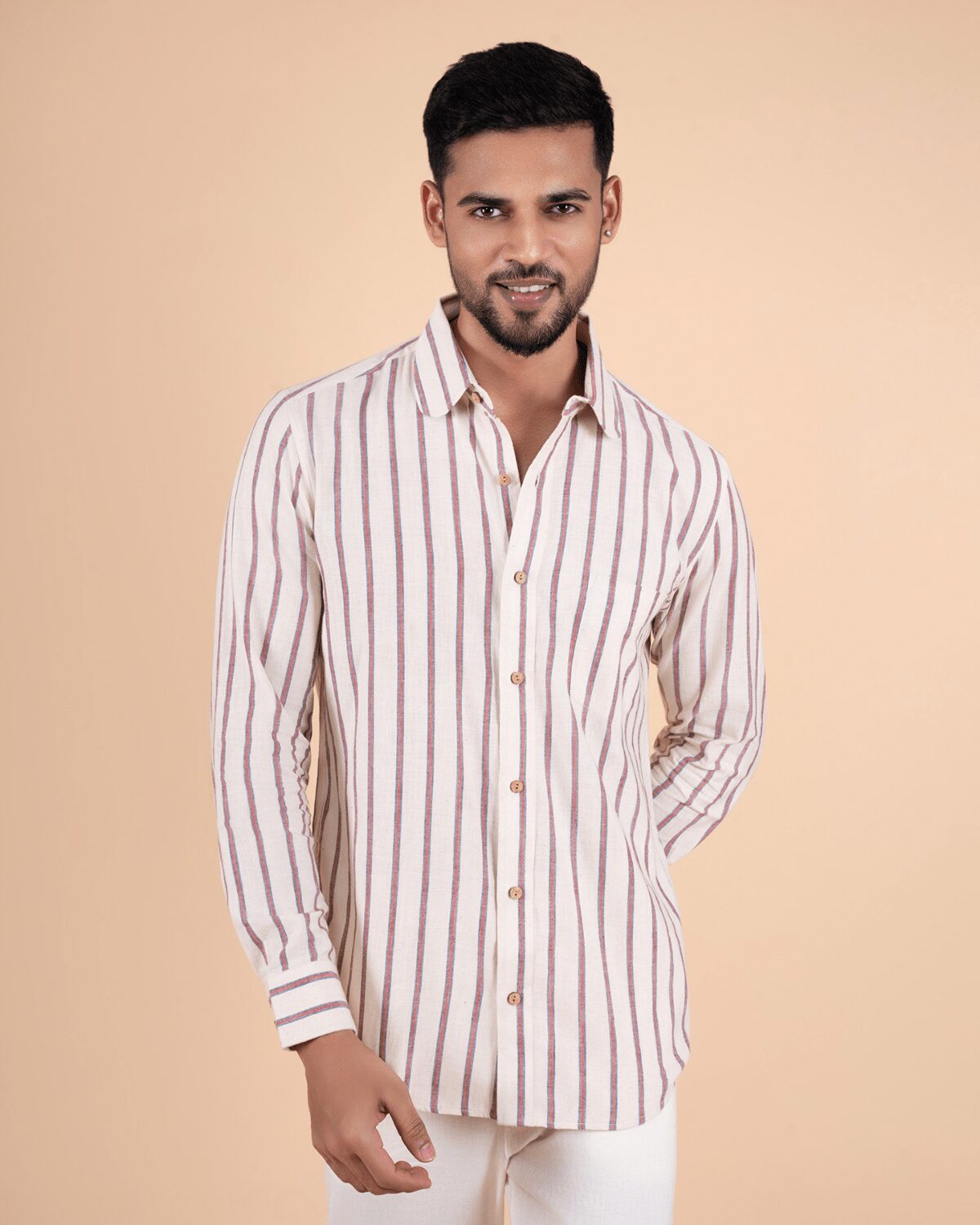
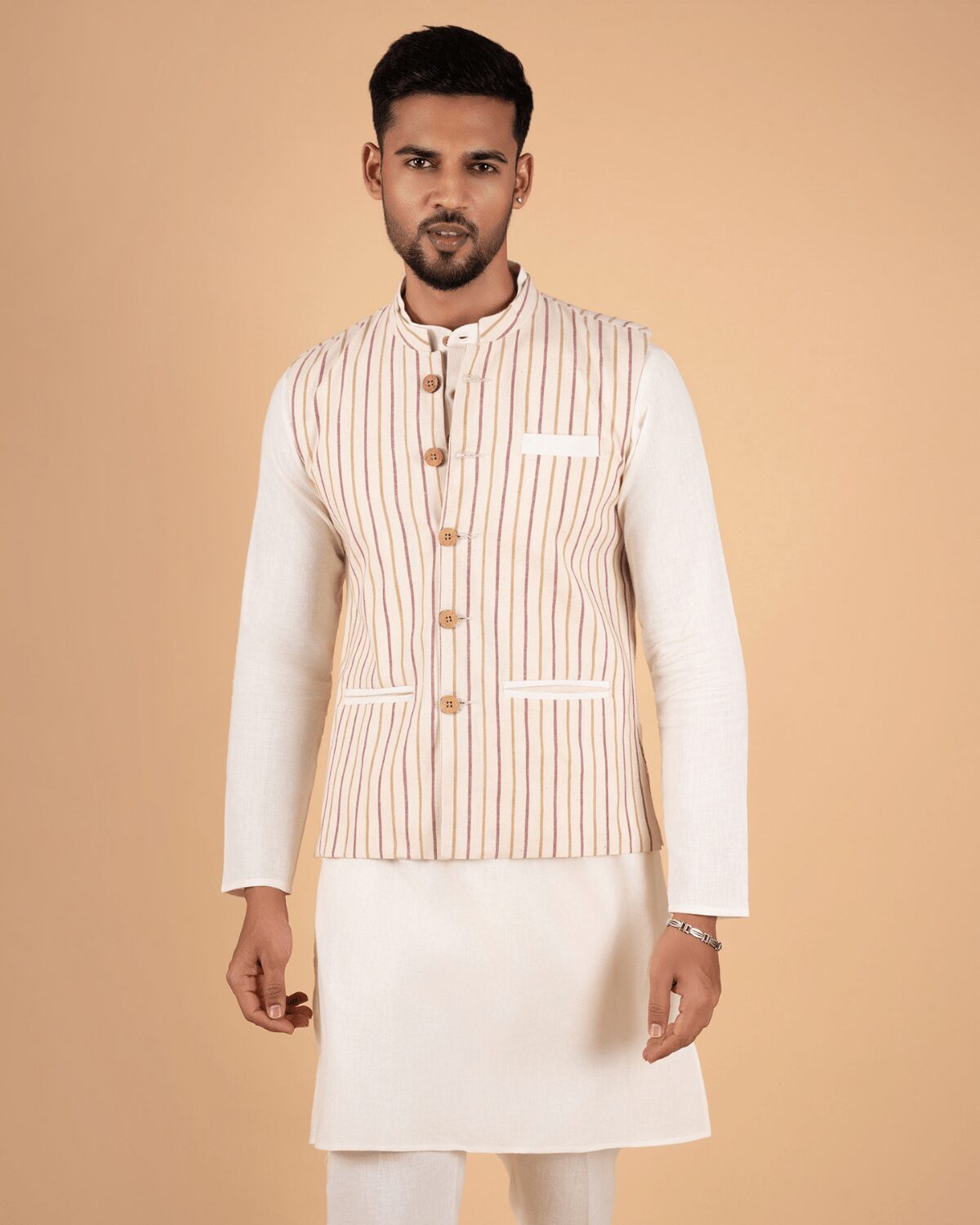
Hand-weaving packs threads more loosely than a power loom. The result is an open, breathable structure that drapes rather than clings. Stripes and checks are created right here on the loom by using yarn in different colours for the warp or weft, which is why khadi stripes have that soft, slightly irregular edge.


Step 4: Washing and finishing, without the chemicals
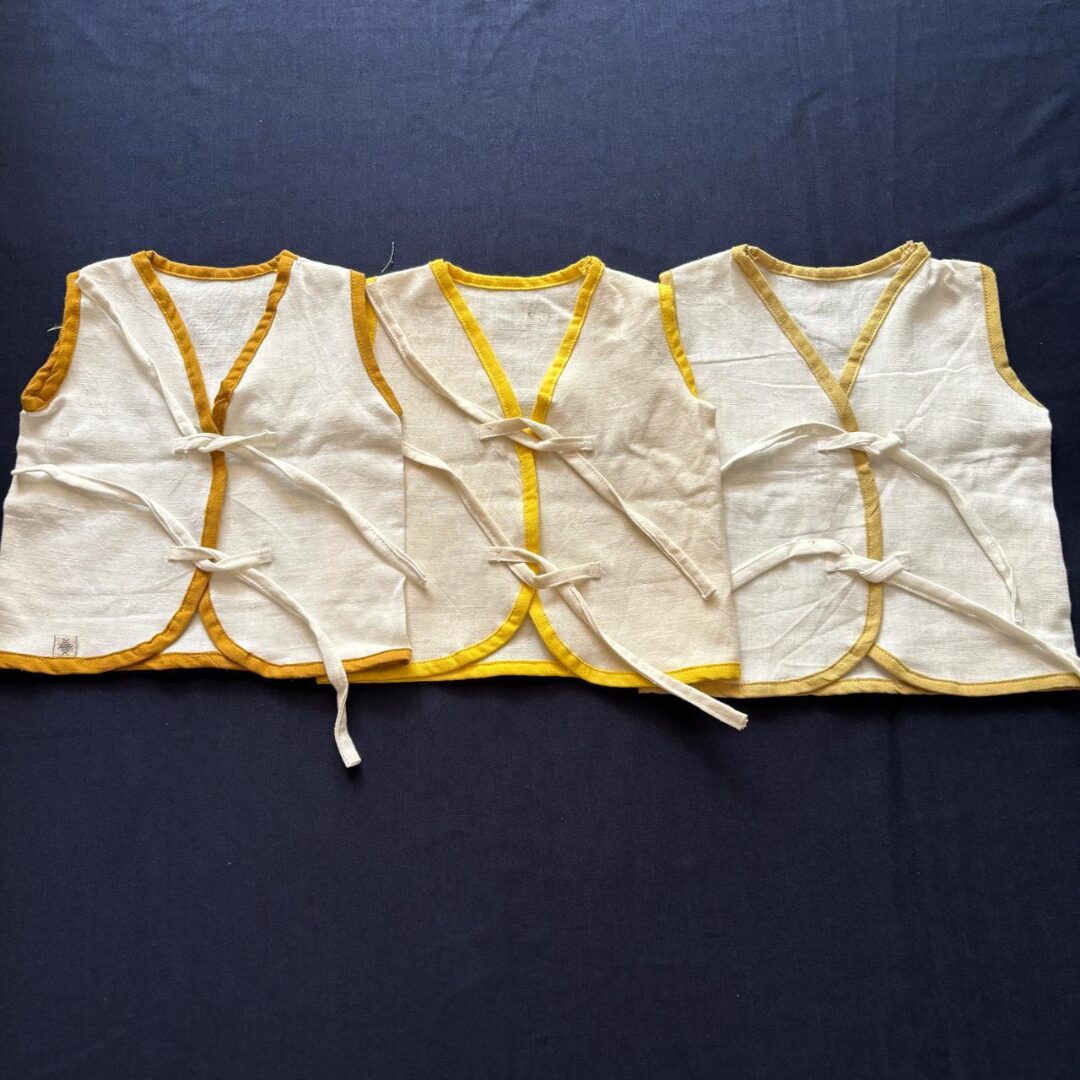
Industrial fabrics usually go through a long list of chemical finishes: optical brighteners, wrinkle-resist resins, softeners, anti-shrink treatments. These are a common cause of itching and rashes, especially for babies and people with sensitive skin. At Feel Weaves, our khadi is chemical-free and hypoallergenic: no harsh finishes are added to make the cloth look artificially perfect.
The trade-off is honest: khadi can shrink a little in the first wash and it creases naturally. In return you get fabric that is kind to skin from day one. (Our Size & Fit Guide explains how to plan for first-wash shrinkage.)

Step 5: Cutting, stitching and hand embroidery
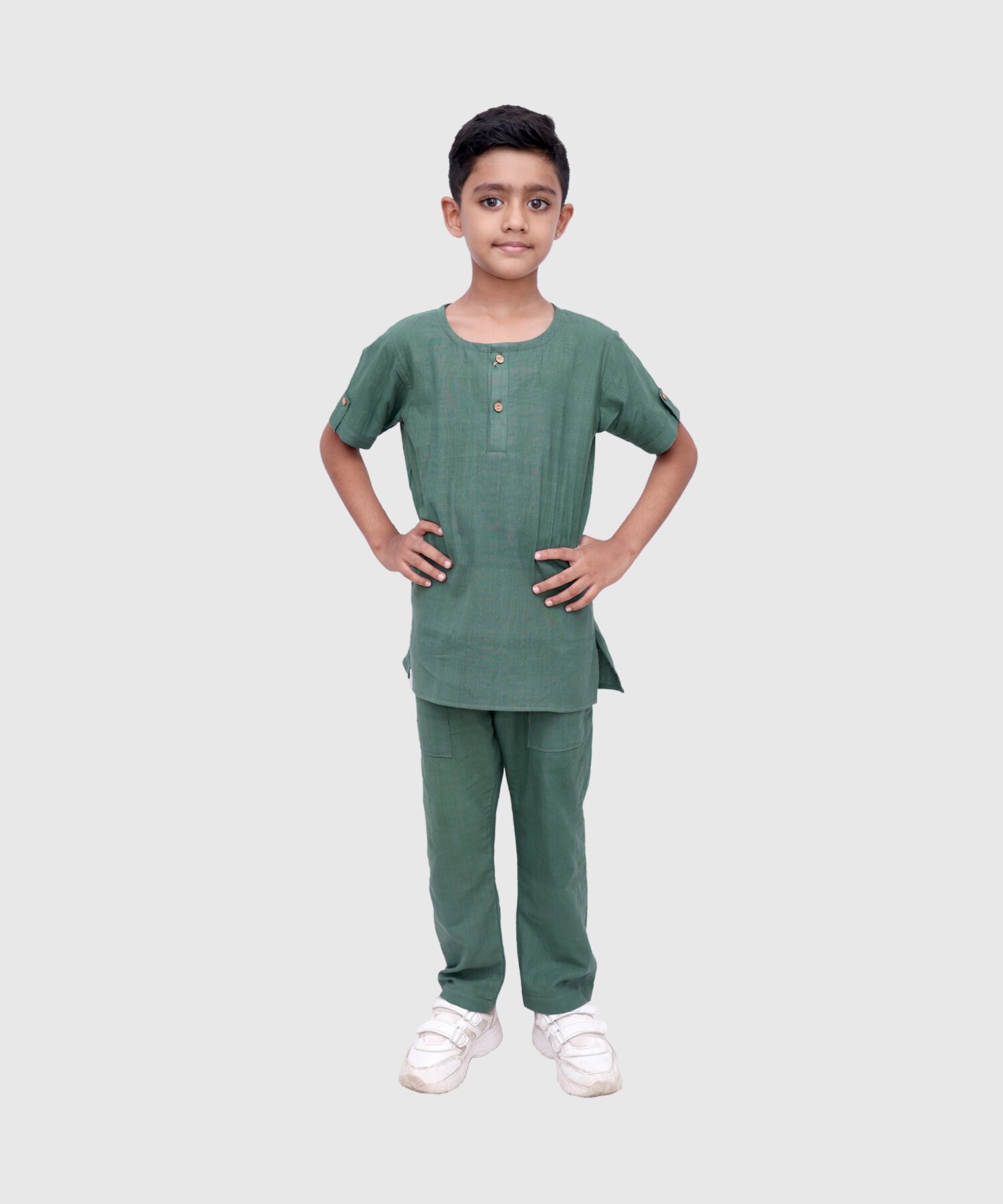
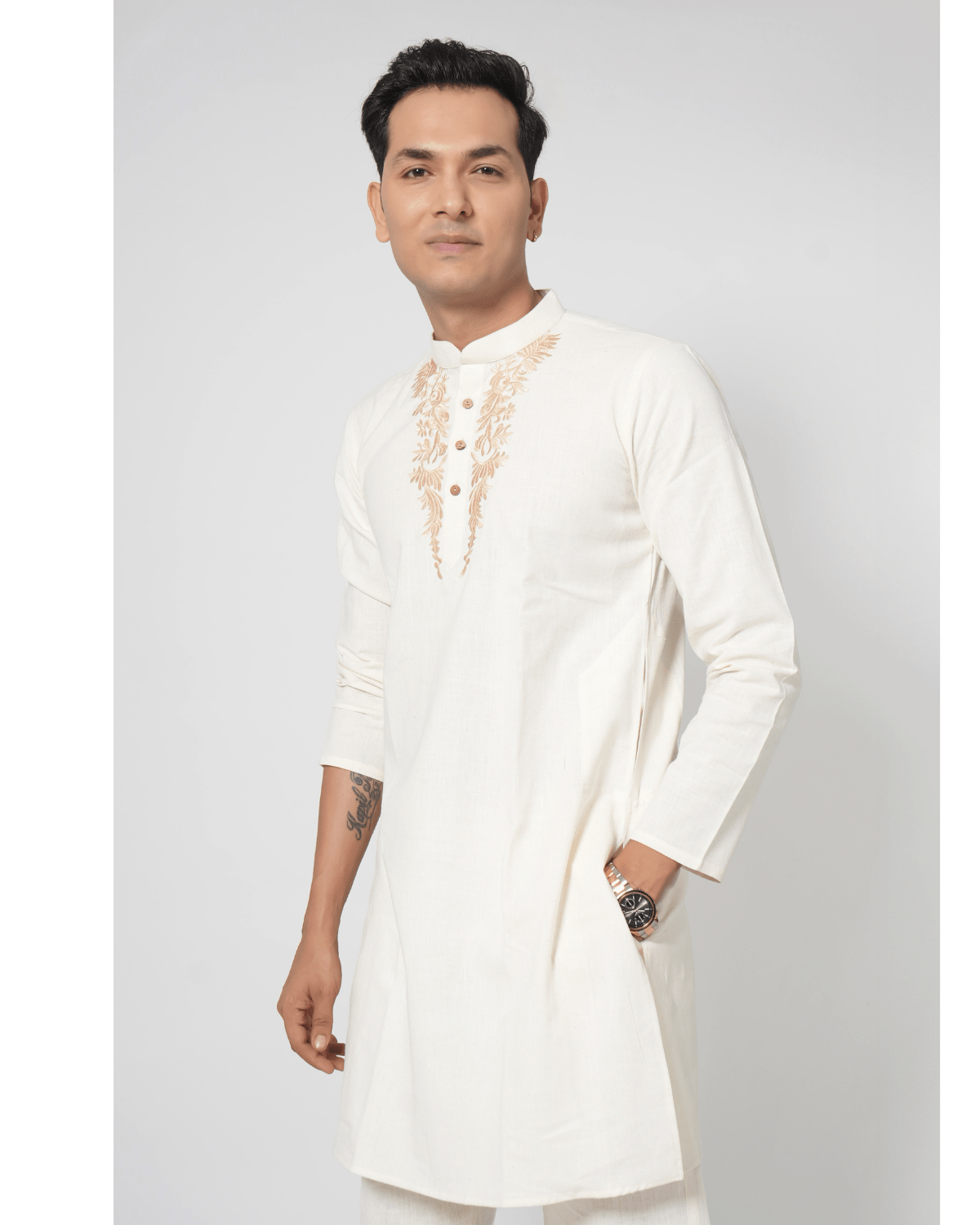
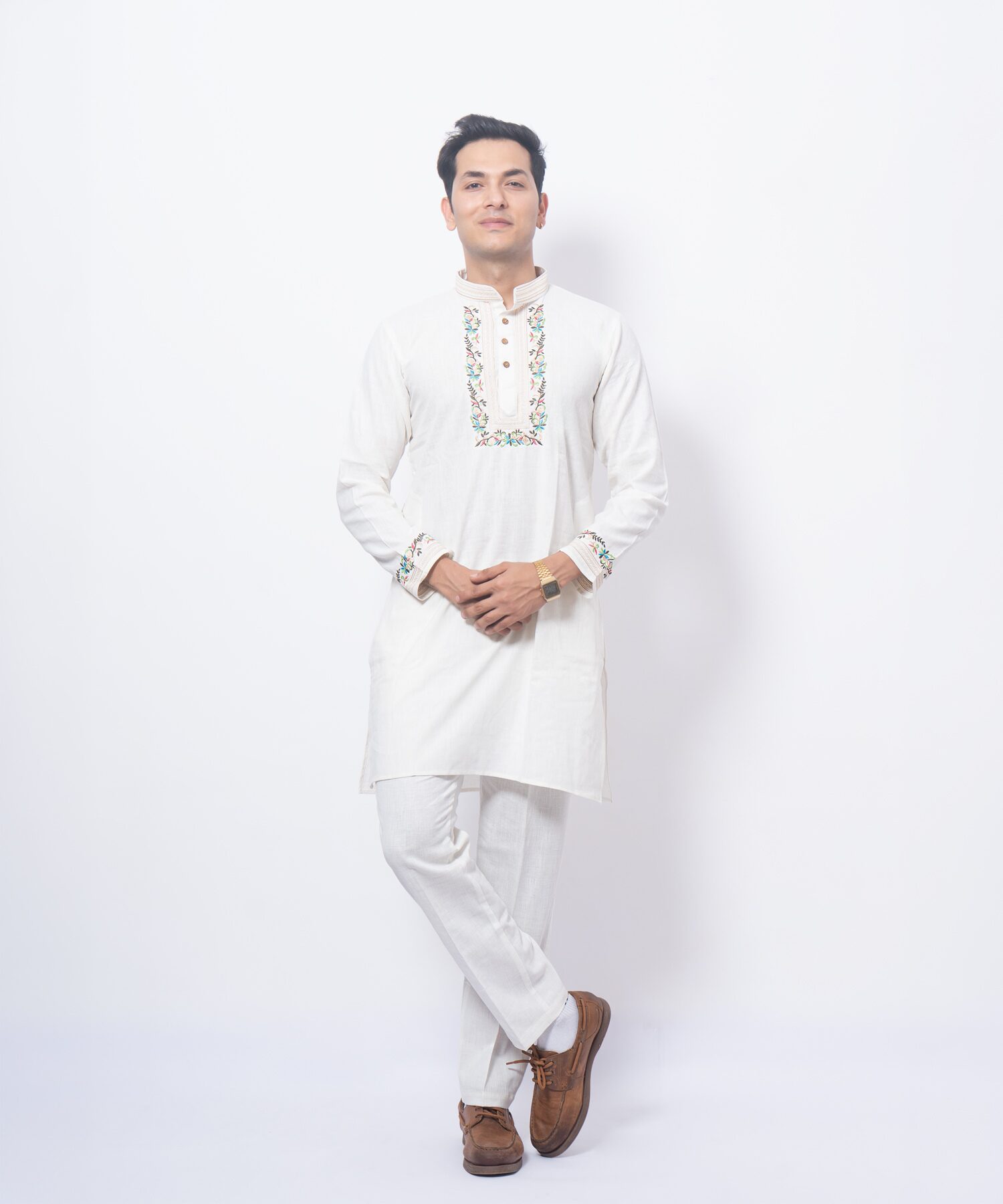
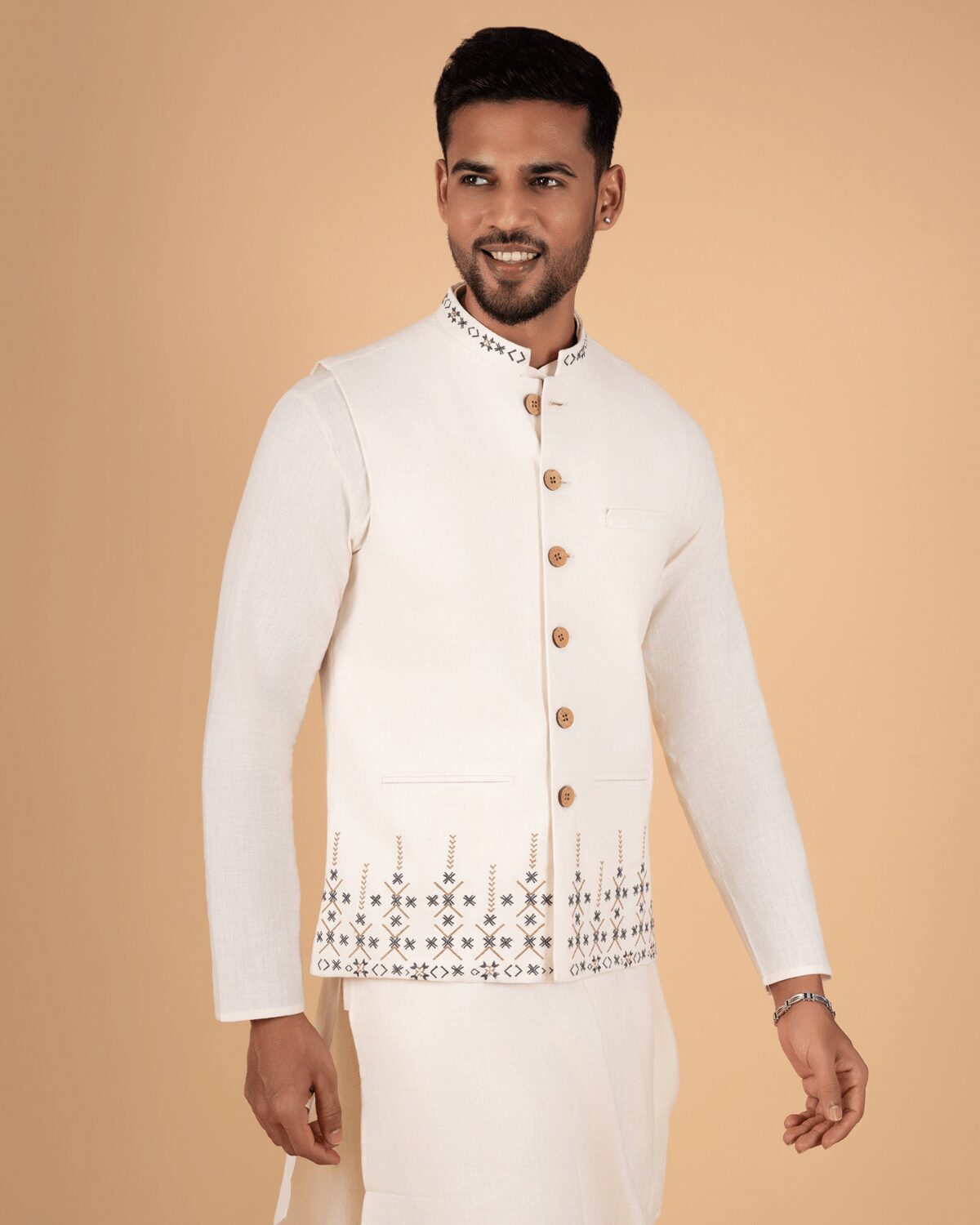
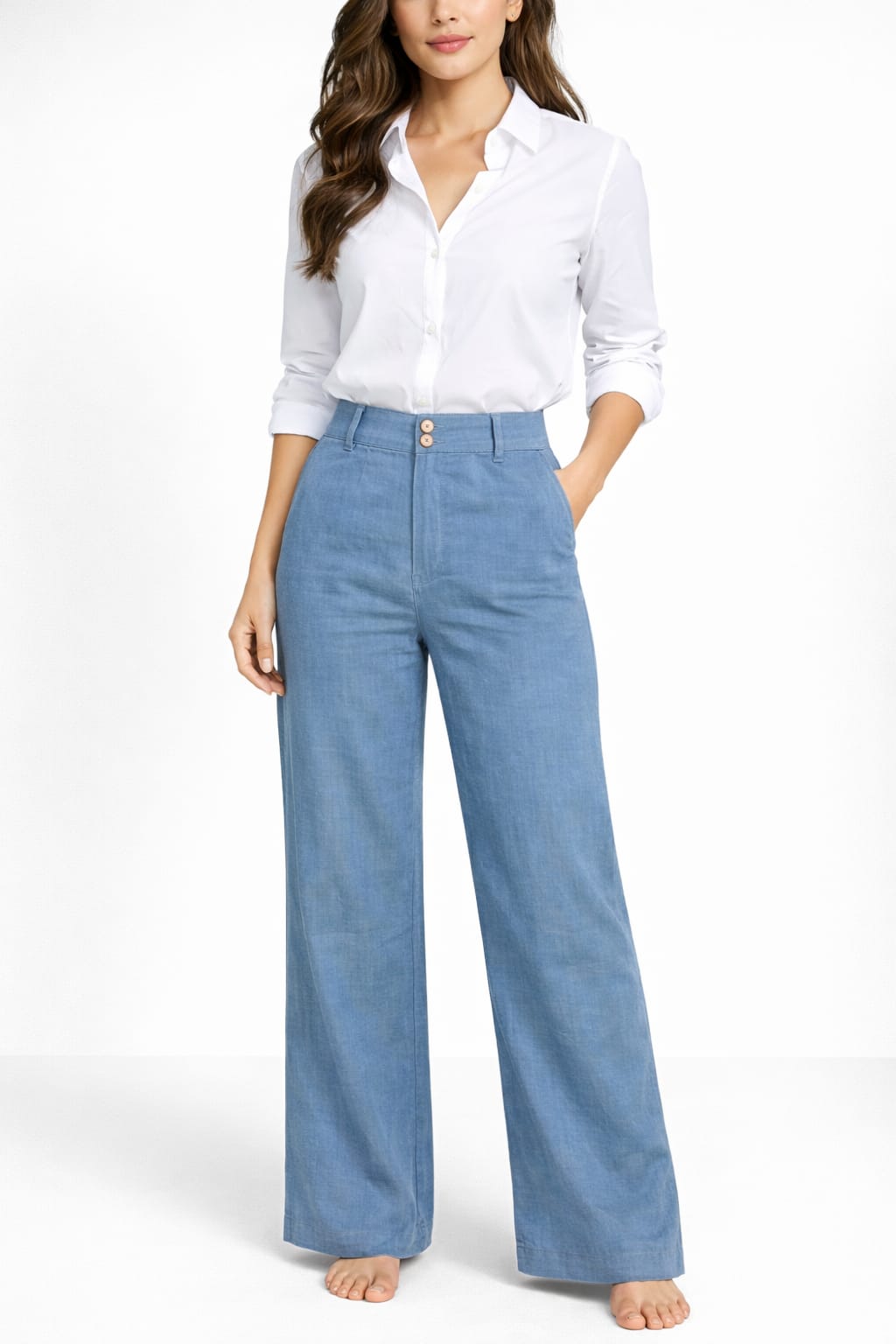
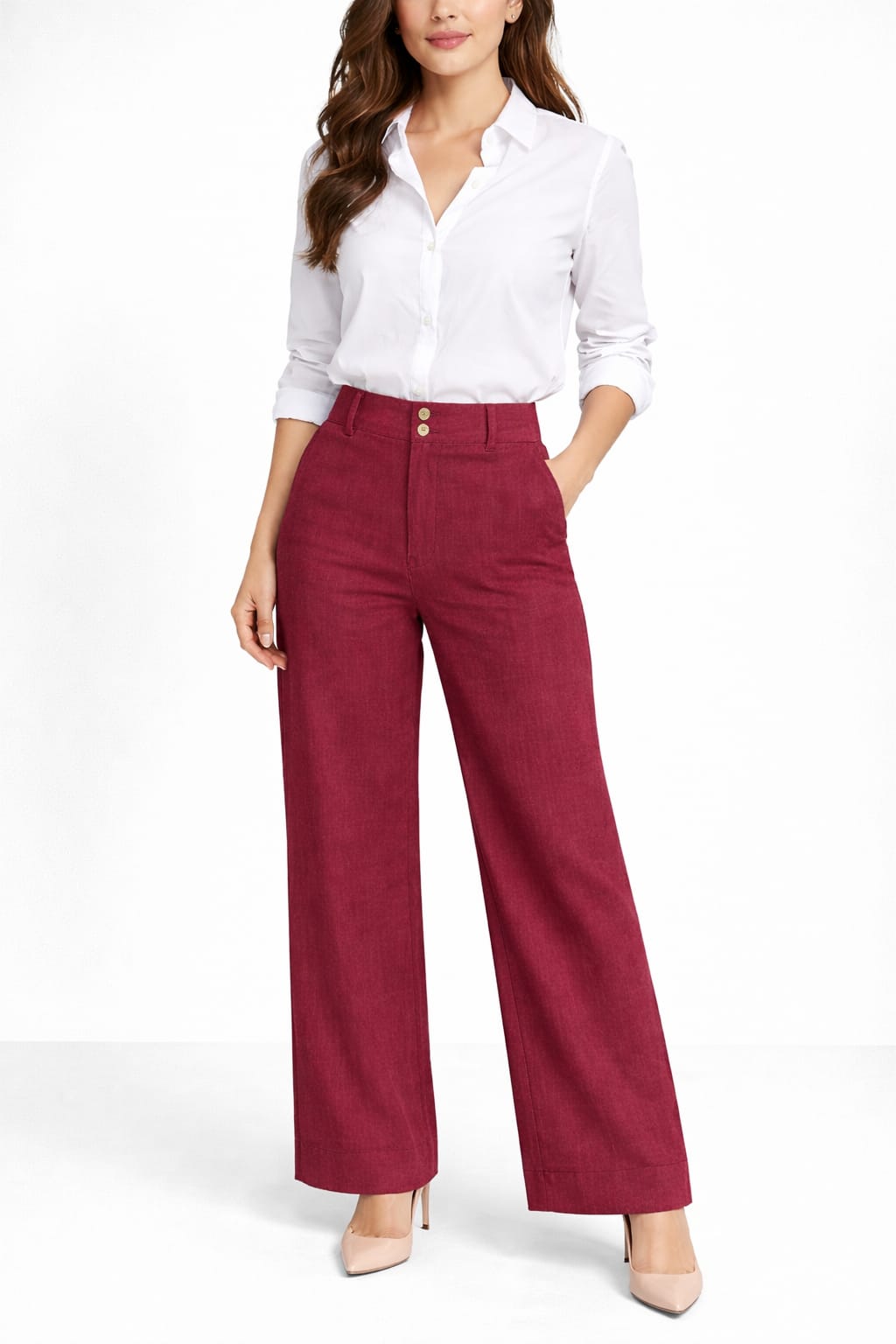
Finally the cloth is cut and stitched into garments. Because khadi is breathable and has a soft structure, it suits relaxed, comfortable cuts: easy kurtas, wide pants, co-ord sets. Many pieces then get one more round of handwork: embroidery. Thread by thread, motifs are worked into the fabric, adding days of craft to a single garment.
How to recognise real handmade khadi
- Look for slubs. Hold the fabric to the light. Genuine handspun cloth shows uneven thickness in the yarn; perfectly uniform fabric is usually mill-made.
- Check the weave. Handwoven cloth has small irregularities in density. It looks alive, not printed-perfect.
- Feel the hand. Khadi feels dry, slightly textured and cool, never slippery or plasticky.
- Expect it to soften. Real khadi improves with washing. If a “khadi” garment feels stiff and shiny, it has likely been heavily finished or blended.
- Ask about finishing. A genuinely chemical-free brand will say so plainly.
Why the slow way is worth it
Every khadi garment carries hours of work by spinners, weavers and tailors, and very little energy beyond human hands. It supports rural livelihoods, uses no heavy chemical processing, and gives you a fabric that breathes in summer, layers in winter and lasts for years with simple care. When you buy handmade khadi, you are not just buying a shirt; you are keeping a centuries-old craft alive.
Shop handmade khadi
Explore the collection: Shirts · Kurta Sets · Koti · Pants · Women’s Wear · Yoga Wear · Kids Wear · New Born Essentials. Every piece is 100% handmade, hypoallergenic and chemical-free.
Read next: Khadi vs Cotton vs Linen and How to Care for Your Khadi Clothes.